
India. Proven Solutions Built for a Billion People
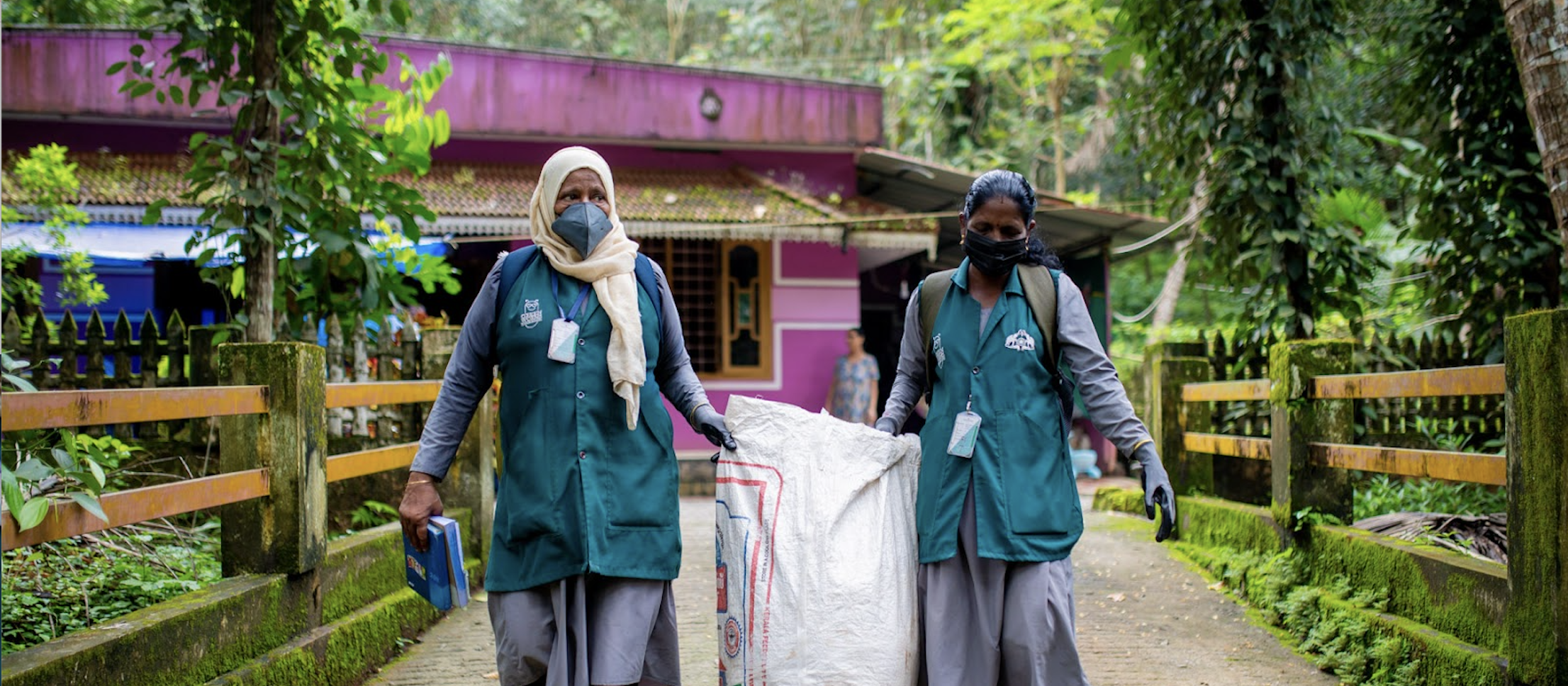
India is home to one of the world’s fastest-growing populations, rapidly expanding cities, and some of the most complex environmental challenges on the planet. Water stress, air pollution, extreme heat, urban overcrowding, agricultural vulnerability, and rising energy demand all converge at a scale few countries face.
And yet, it is precisely this pressure that has turned India into a global laboratory for sustainability at scale.
Rather than relying on niche or luxury solutions, India has focused on affordable, scalable, and locally adaptable innovations — solutions designed to work for millions, not thousands. From clean energy and water resilience to circular economy systems, climate-smart agriculture, and low-cost housing, India has built a powerful ecosystem of SMEs, engineers, communities, and institutions delivering real-world impact.
India’s strength lies not in perfection, but in execution under constraint. If a solution can succeed here, it has the potential to succeed almost anywhere.

Curated by Giorgia Vicari
Brought to you by

6 areas of excellence
1. Clean & Affordable Energy
India is proving that clean energy can be scaled rapidly, affordably, and inclusively.
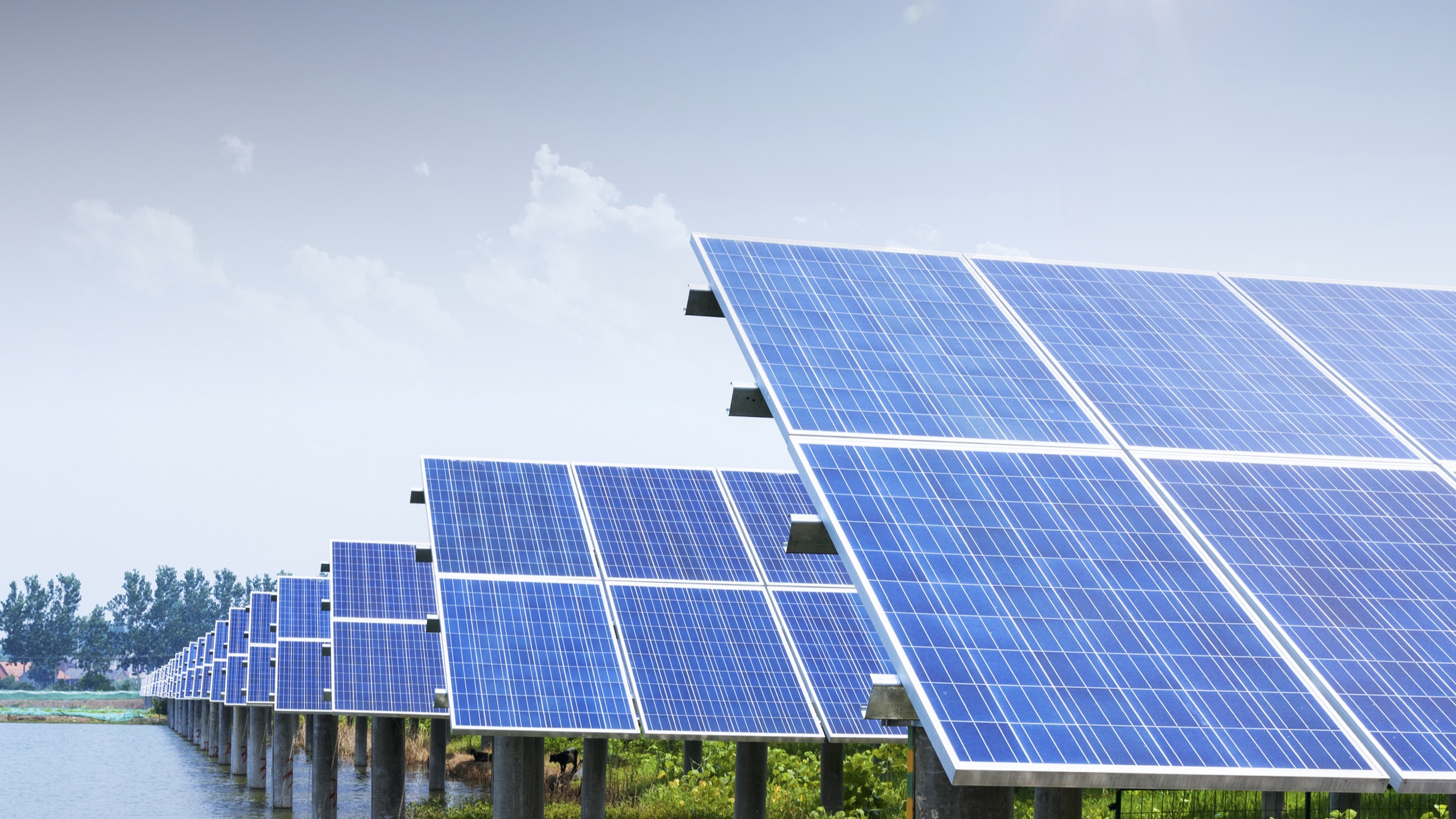
Around 46% of India’s installed electricity capacity now comes from non-fossil fuel sources — a milestone achieved years ahead of its 2030 target and particularly significant given the scale and complexity of supplying power to a population of over 1.4 billion people. Driven by soaring energy demand and the need to reduce fossil fuel dependency, India has rapidly become one of the world’s leaders in clean energy deployment. Solar leads the way at approximately 105 GW, followed by more than 50 GW of wind capacity.
What sets India apart is not only scale, but speed and affordability. Large-scale solar parks operate alongside rooftop solar, micro-grids, and decentralised systems powering homes, schools, SMEs, and entire villages. Over the past decade, India’s renewable capacity has grown by more than 170%, placing the country among the top four globally — a remarkable achievement for a nation still expanding electricity access while meeting rapidly rising demand. Clean energy in India is no longer an alternative; it is becoming core national infrastructure.
2. Water Security, Treatment & Reuse
Water scarcity has forced India to innovate faster — and smarter.
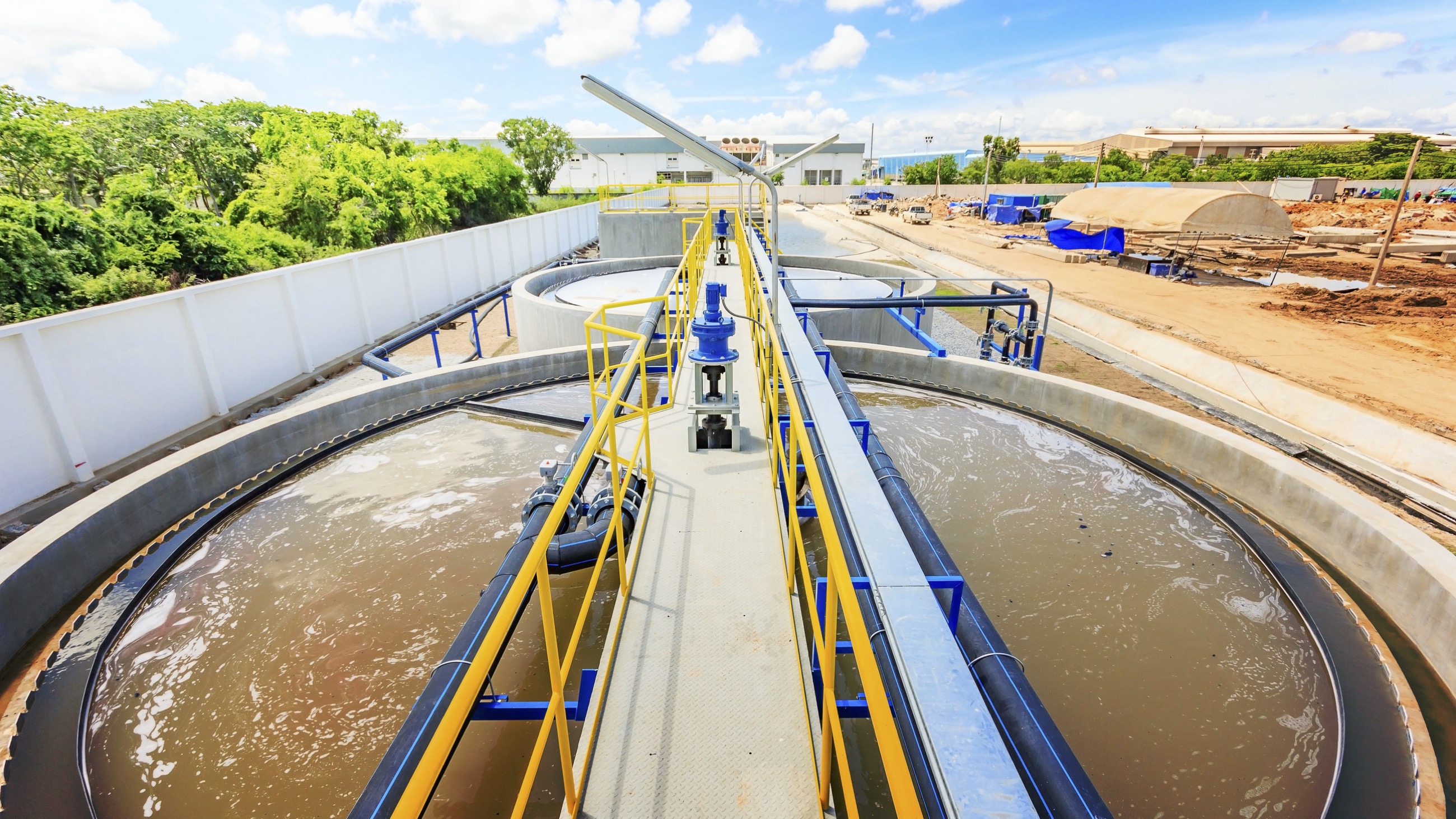
Today, India is emerging as one of the most dynamic markets for water treatment and reuse solutions globally. The country generates over 70 billion litres of wastewater every day, creating a vast opportunity for reuse — and a fast-growing ecosystem of companies delivering decentralised treatment, modular reuse systems, rainwater harvesting solutions, and low-energy purification technologies for cities, industries, and communities. The wastewater recycling market in India alone is projected to grow at double-digit annual rates over the coming decade, reflecting strong demand and accelerating adoption.
What sets Indian water innovation apart is its focus on frugal engineering — solutions designed to deliver reliable performance at low cost, often in highly challenging environments. Many Indian systems are modular, scalable, and quick to deploy, making them ideal not only for local use but also for export to other water-stressed regions across Asia, Africa, and Latin America.
Brought to you by

3. Affordable & Climate-Resilient Housing
India is redefining what sustainable housing looks like at scale.
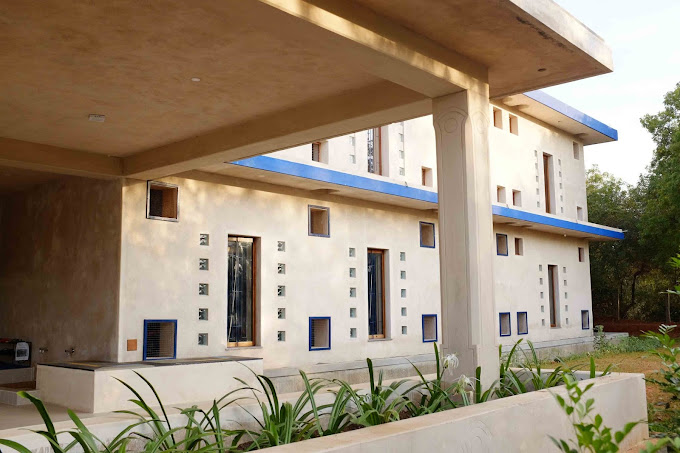
Rapid urbanisation — with over 400 million people now living in Indian cities and another 200+ million expected by 2050 — has pushed India to rethink how housing is designed, built, and scaled. In response, the country has become a proving ground for low-cost, climate-adapted construction solutions that balance affordability, durability, and environmental performance at unprecedented scale.
Rather than focusing on premium green buildings, India excels in practical housing systems designed for extreme heat, resource efficiency, and fast deployment. Programmes supporting affordable housing have enabled the construction of tens of millions of homes in the last decade, accelerating innovation in materials and construction methods that reduce costs, lower emissions, and improve thermal comfort — often without relying on air conditioning.
Innovation spans the full value chain: from low-carbon building materials such as fly-ash bricks and alternative cement blends, to modular and prefabricated housing systems that cut construction time by up to 30–50% while reducing waste. These solutions are increasingly relevant not only within India, but across emerging markets facing similar pressures from rapid urban growth, heat stress, and housing demand.
4. Circular Economy, alternatives to plastic & Waste Recovery
India operates one of the world’s largest circular ecosystems — often out of necessity.
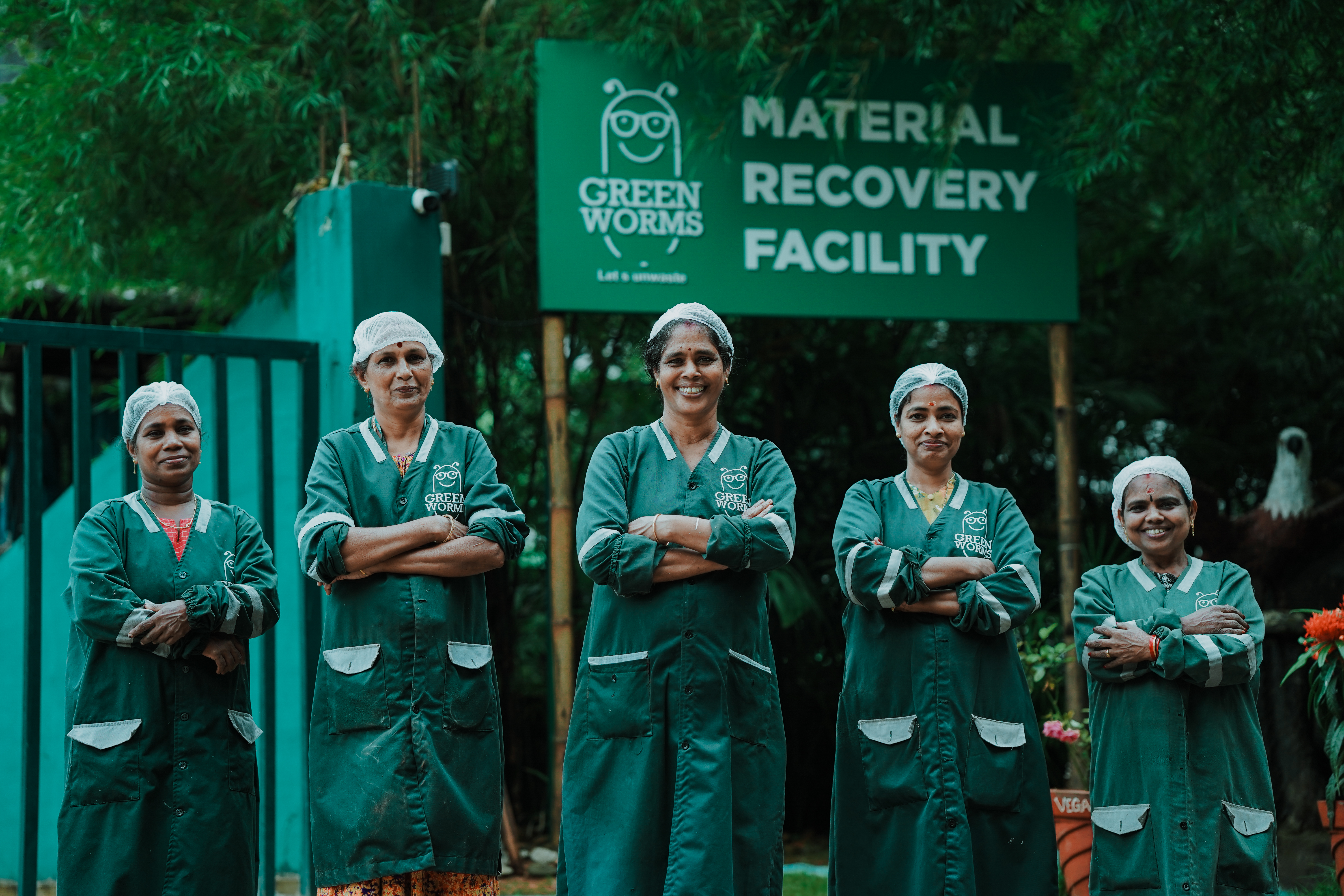
Waste management challenges have led to highly efficient systems of material recovery, recycling, and reuse, combining informal networks with increasingly sophisticated formal technologies. Indian SMEs are rapidly professionalising recycling, upcycling, and waste-to-value solutions, particularly in plastics, textiles, organics, and construction waste.
What sets India apart is the scale and integration of circular activity. Small efficiency gains, when applied across massive volumes, translate into significant environmental impact. Circularity in India is deeply linked to livelihoods, local economies, and resource security.
5. Agri-Resilience & Climate-Smart Agriculture
Feeding a billion people has made India a leader in resilient agriculture.
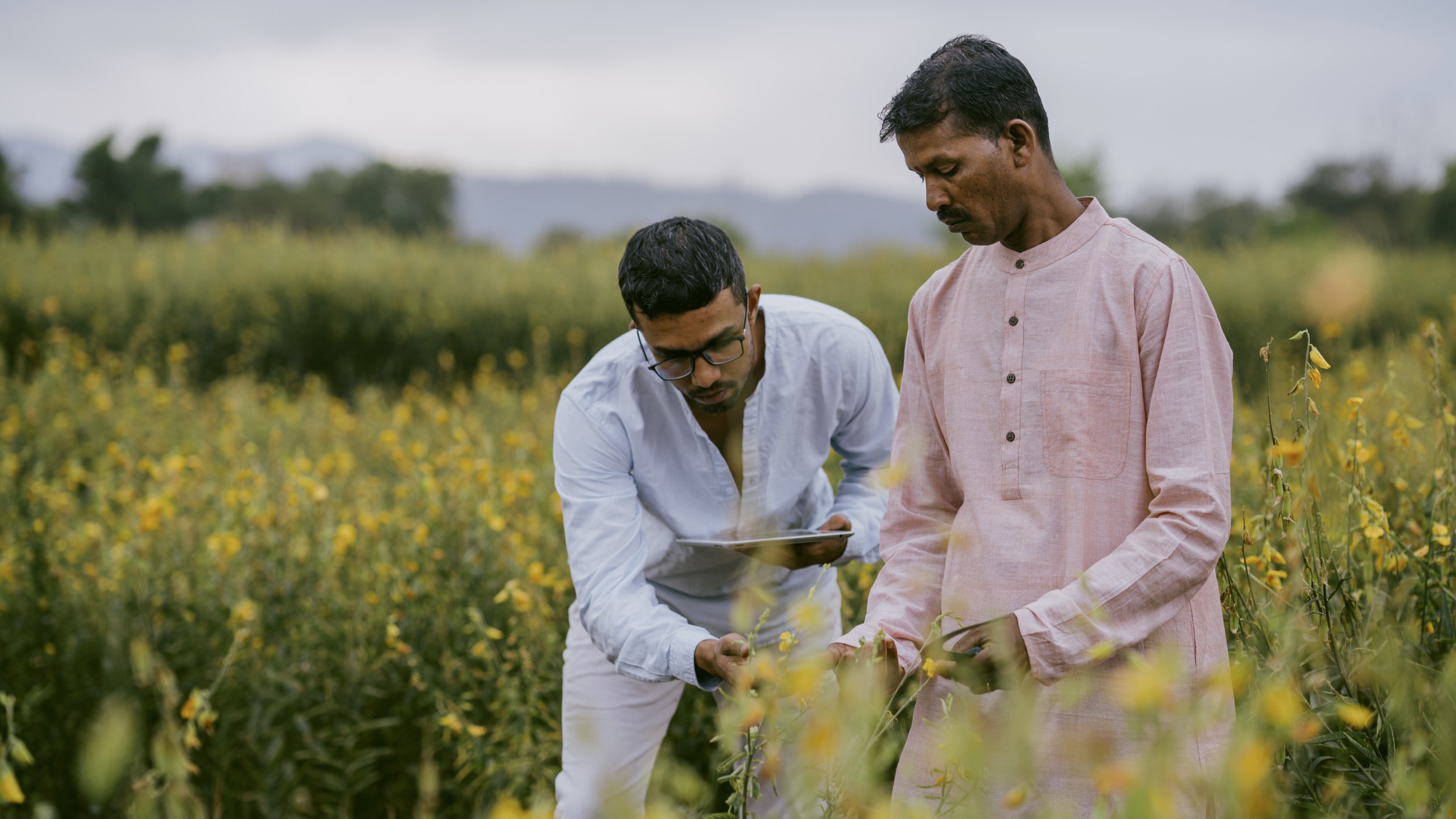
Indian agriculture has evolved under constant pressure from water scarcity, climate variability, and limited land — turning necessity into innovation. Today, India is a global leader in micro-irrigation, accounting for roughly 20% of the world’s total drip and sprinkler irrigation area, helping farmers cut water use by 30–50% while improving yields.
What makes India stand out is its ability to blend traditional farming knowledge with digital agri-tech at scale. Mobile platforms, precision tools, and climate-smart practices now reach millions of smallholder farmers, reducing chemical inputs, improving soil health, and increasing resilience to extreme weather. These solutions — designed for affordability and adaptability — are increasingly relevant for other regions facing food security and climate stress.
6. Climate Adaptation & Resilience Solutions
India designs for extreme conditions — because it has no choice.
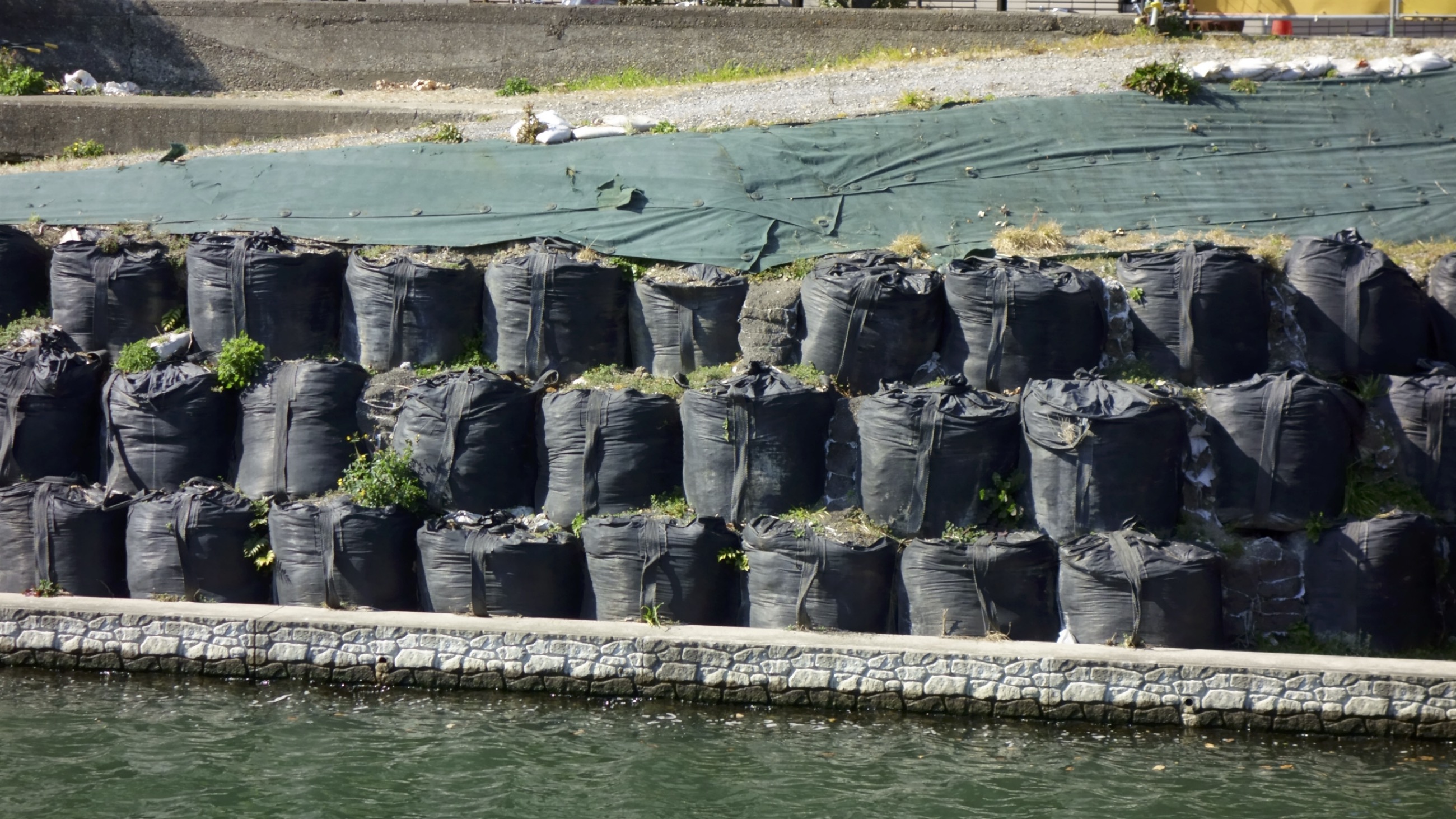
Heatwaves, floods, droughts, and air pollution have pushed India to become a real-world testbed for climate adaptation solutions. As climate impacts intensify, India has accelerated the deployment of early-warning systems, heat-action plans, and resilience technologies designed to protect lives at scale. Today, over 200 Indian cities and districts have implemented heat-action plans, helping reduce heat-related mortality through forecasting, public alerts, and rapid response measures.
What sets India apart is its focus on solutions that function under extreme stress. From flood monitoring systems and disaster-ready infrastructure to heat-resilient urban design, Indian innovations prioritize reliability, affordability, and speed of deployment. These tools are already supporting millions of people in adapting to climate impacts happening now — making them highly relevant for other climate-vulnerable regions around the world.
Our Role
Brilliant Ideas Planet (BIP) is a neutral convening platform — connecting businesses, experts, investors and citizens with the leading ideas, tools, and partners for building a better future.
We do not promote a single model or impose a one-size-fits-all solution.
Instead, we showcase what’s working — globally — so every city, town, and region can adapt the best ideas to their own culture, climate, and circumstances.
Oops, it seems like you're not a member.
Sign up! It's free. You'll be able to read all the articles you like, download PDFs, and get in contact with the respective owners.
Have an account already? Sign in here