
Preventing Deforestation, Regenerating the Soil and Sequestering Carbon in the Amazon and Cameroon
Ecosystem conservation / Education
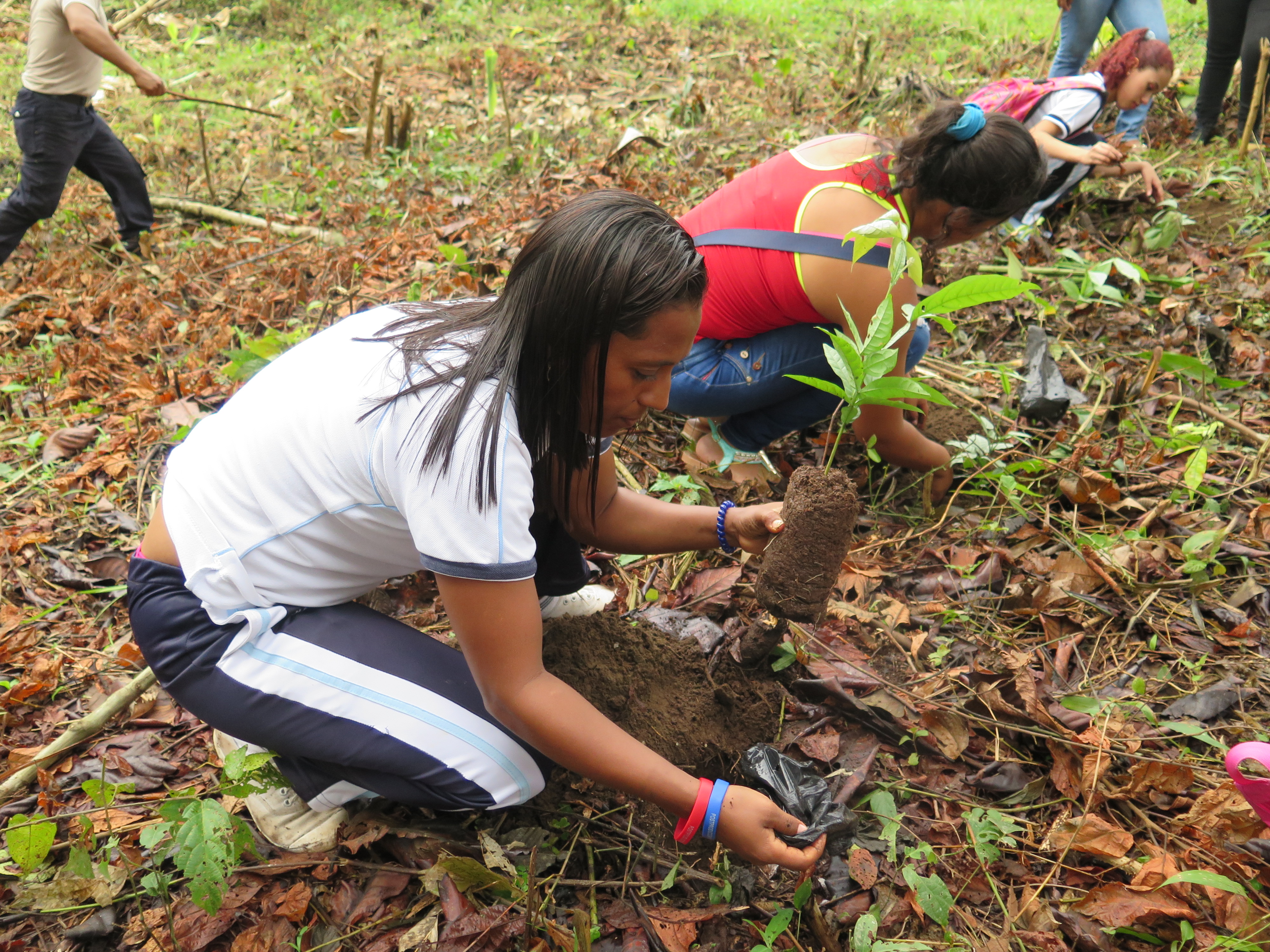
Teaching agroforestry is one of the greatest solutions to the climate and ecological breakdown. To prevent slash and burn agriculture we must help people in the tropics create fertile soil.
Contact
Rainforest Saver
Info
Available

Looking


Project location
Project description
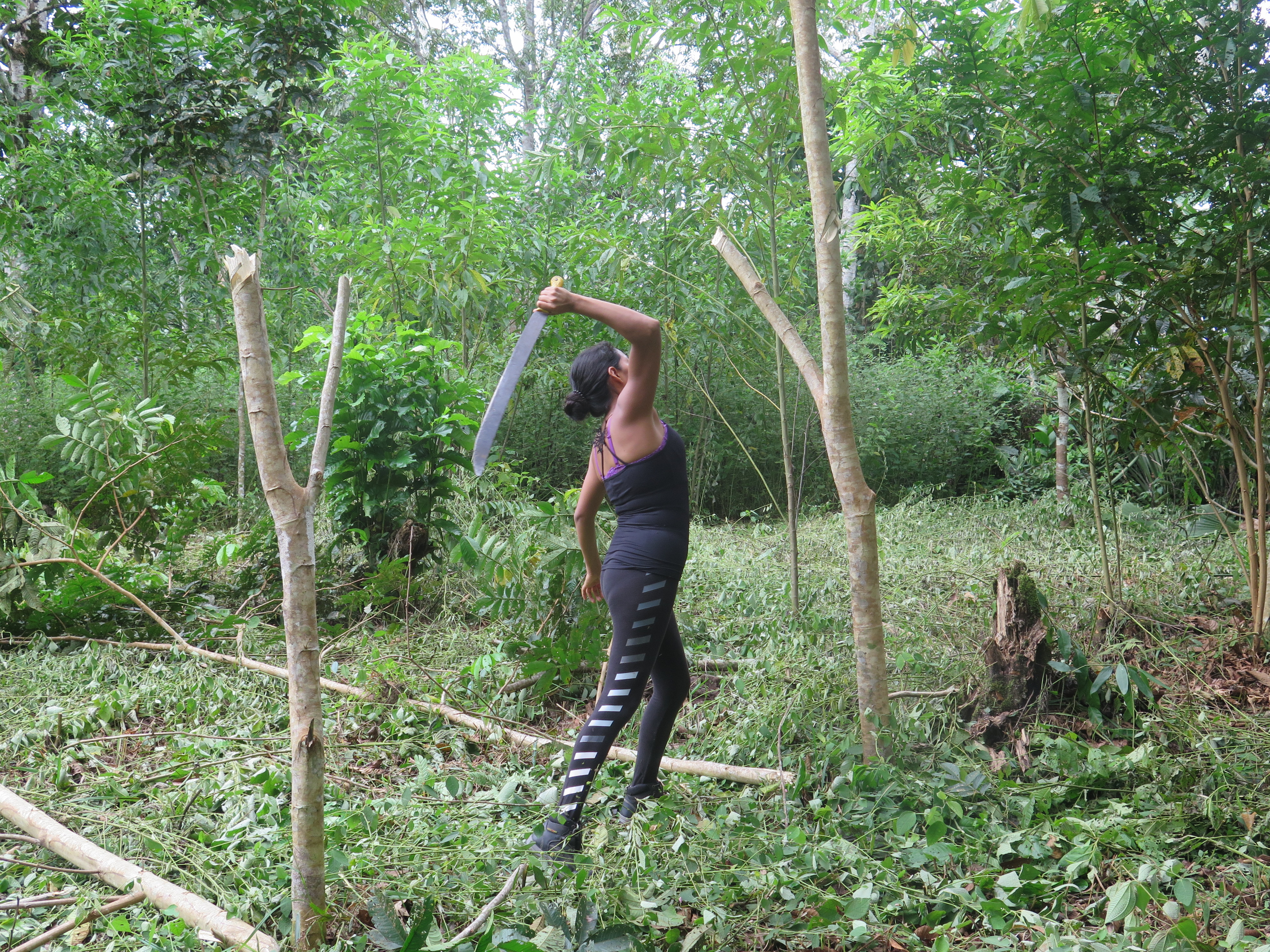
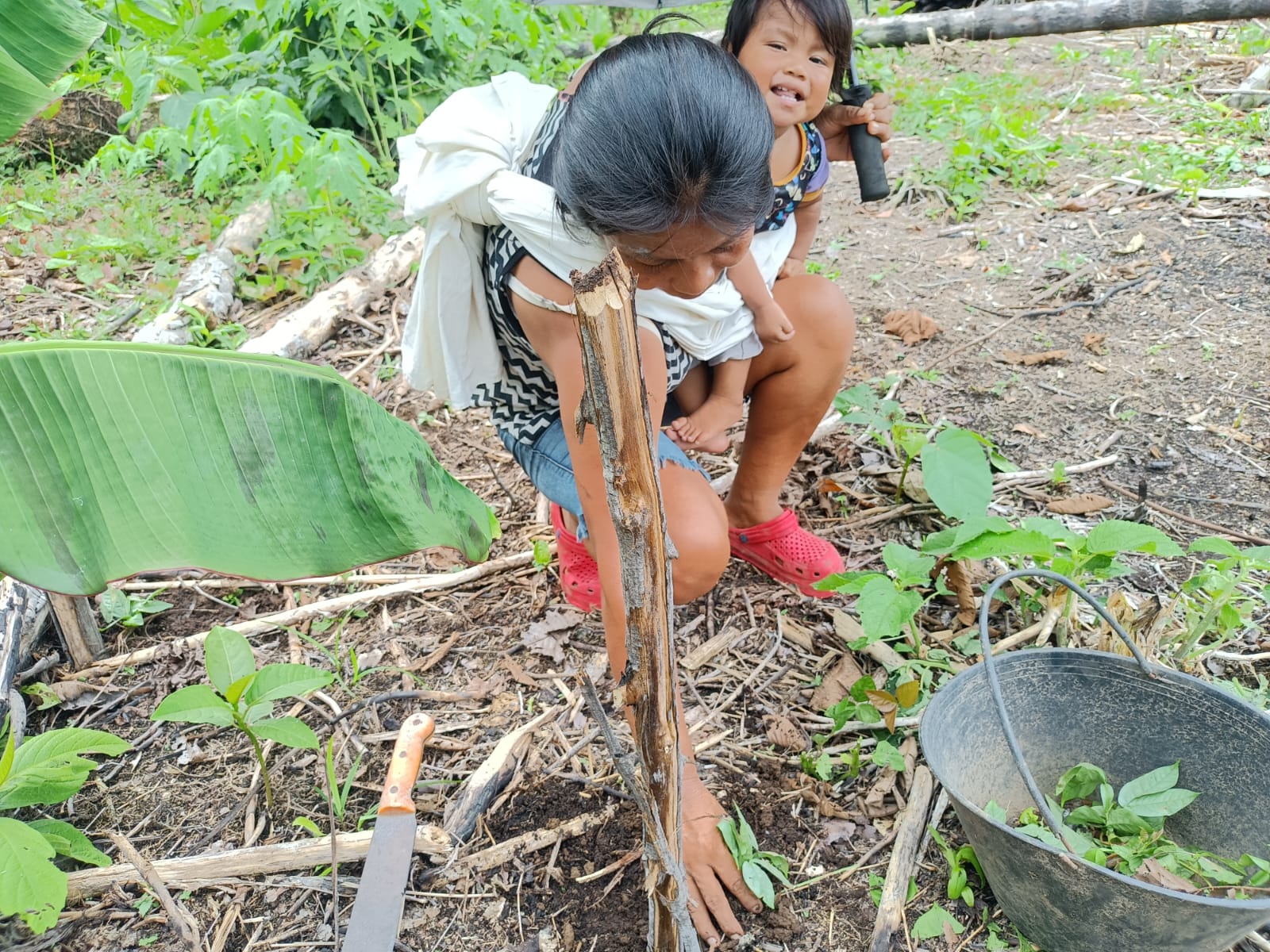
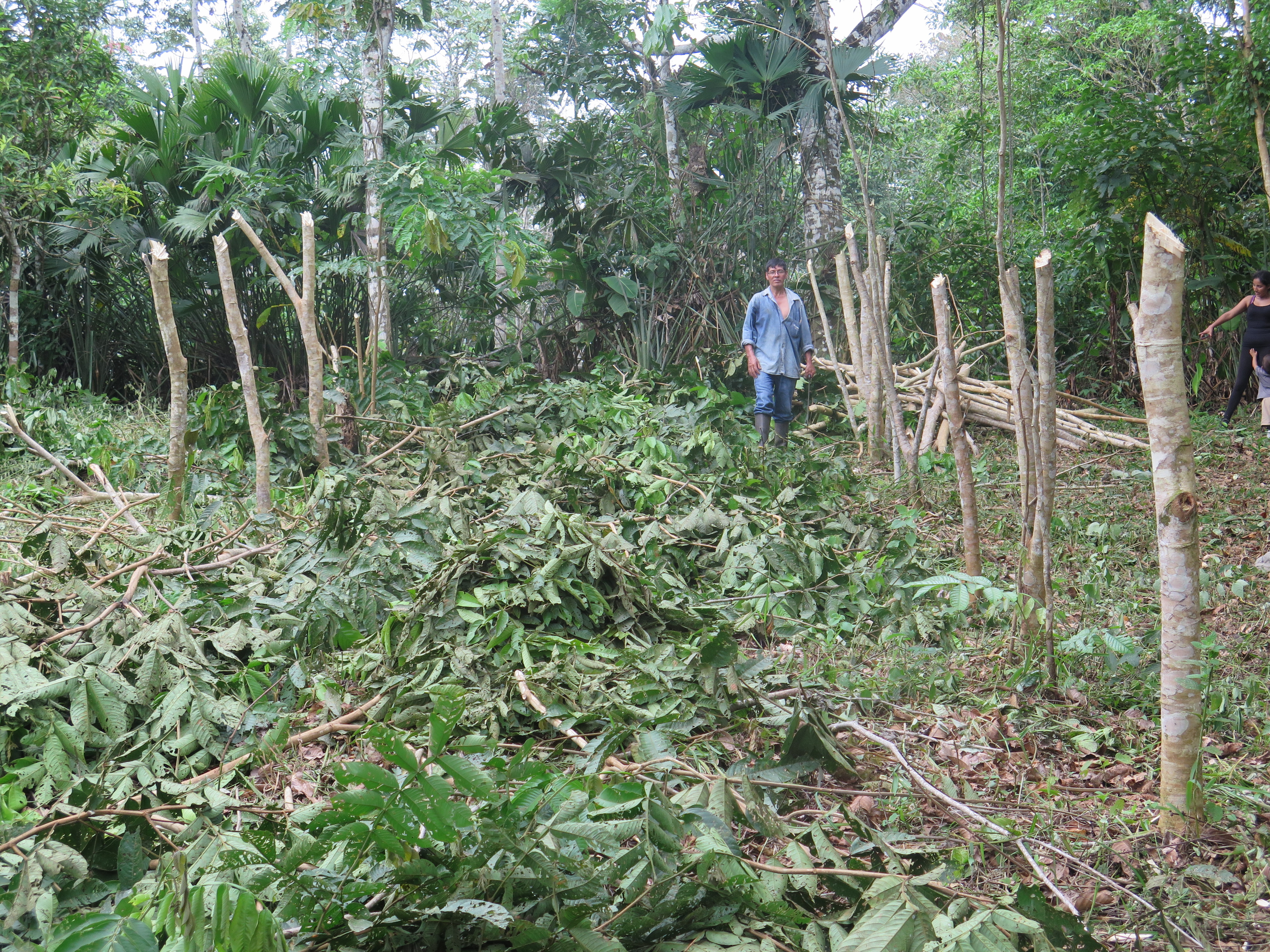
Inga alley cropping is a sustainable alternative to slash and burn farming. The Inga are legumes that fix nitrogen and recycle phosphorus. Inga trees are planted in rows with spaces (alleys) between them. Once grown, the trees cut off light in the alleys which suppresses weeds. The farmer can then prune the trees. Larger branches make firewood or are turned into biochar, while smaller branches and leaves are left to rot on the ground to form a fertile mulch. Crops are then planted. After harvest the trees regrow and the cycle is repeated.
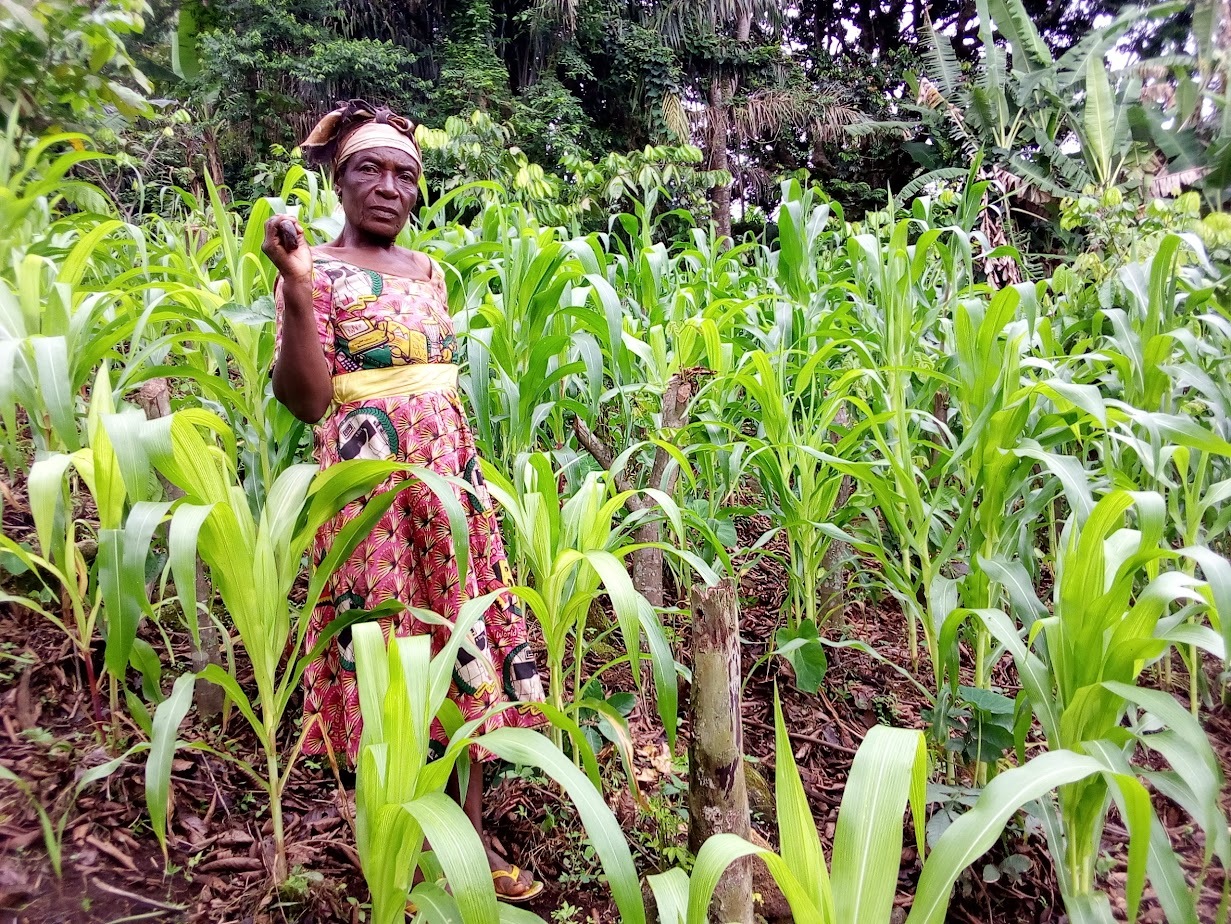
This system of agroforestry prevents deforestation, regenerates the soil, increases yield without the use of agrochemicals and sequesters carbon.
Objectives
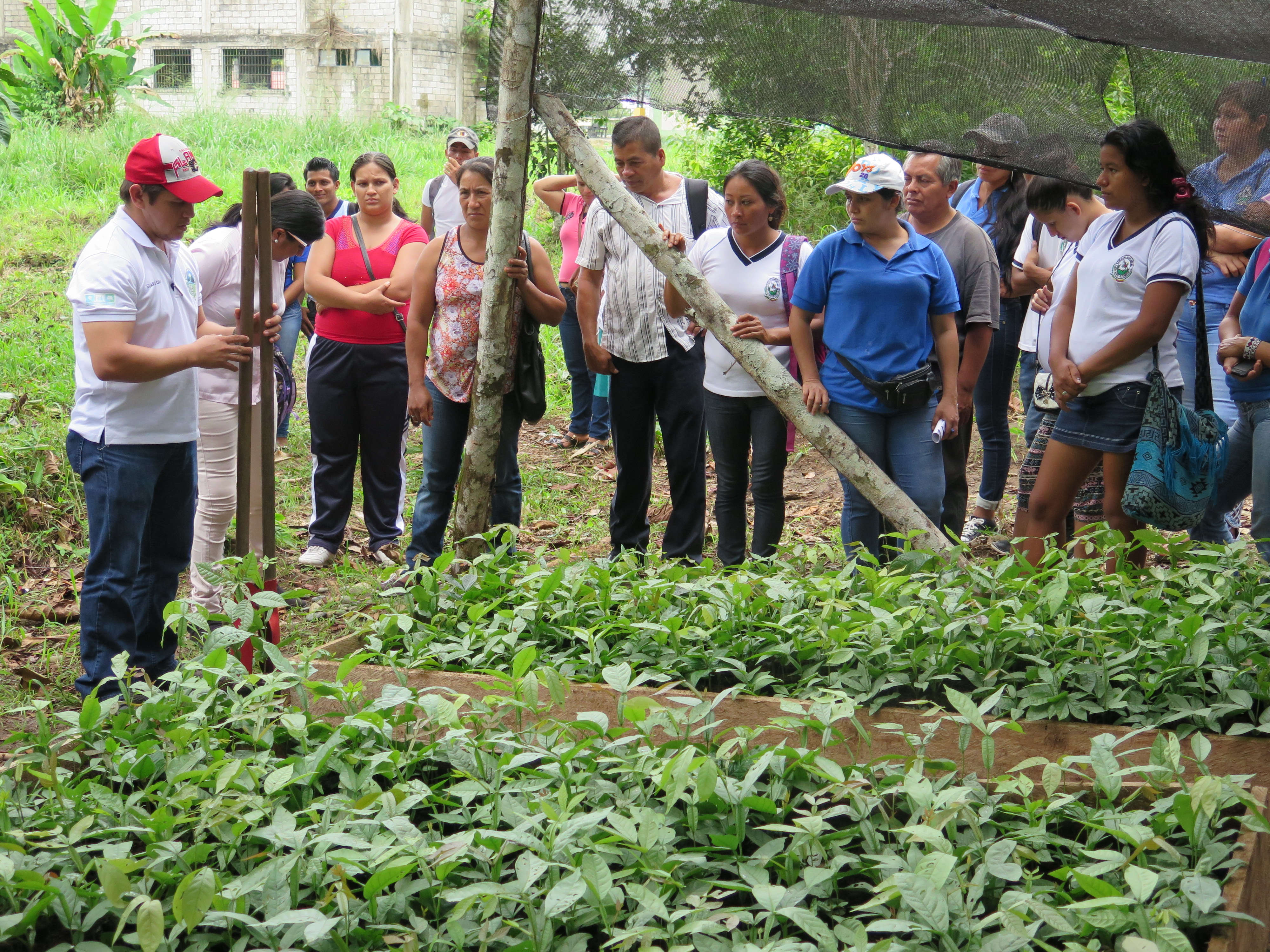
Rainforest Saver would like to expand and help more farmers and indigenous communities learn about the benefits of agroforestry.
Impact & Achievements
In the Ecuadorean Amazon we are working with around 150 farmers and 12 indigenous communities. In Cameroon we are working with 250 communities.
The charity has been supporting farmers since 2007.
How can you get involved
We primarily need help to fundraise and spread the word. We are looking for investors who would like to support Rainforest Savers mission to protect the forests and assist those who live there. Together we can make the world a better place.
About the NGO
Notification!
Please log in or create a Bip account to like comments.
Login to BIP
Discussion & Comments
You can leave any questions you have here.You need to log in to write a comment. If you don’t have an account yet, you can create one in just a few seconds.
Ask about Preventing Deforestation, Regenerating the Soil and Sequestering Carbon in the Amazon and Cameroon
Hi there! I’m here to help you quickly understand what this green solution is about — without needing to read the full page.
You can ask me things like:
- What problem does it solve?
- How does it help the environment?
- What makes it different?
Let’s explore together!
You can try asking:
Oops, it seems like you're not a member.
Sign up! It's free. You'll be able to read all the articles you like, download PDFs, and get in contact with the respective owners.
Have an account already? Sign in here