

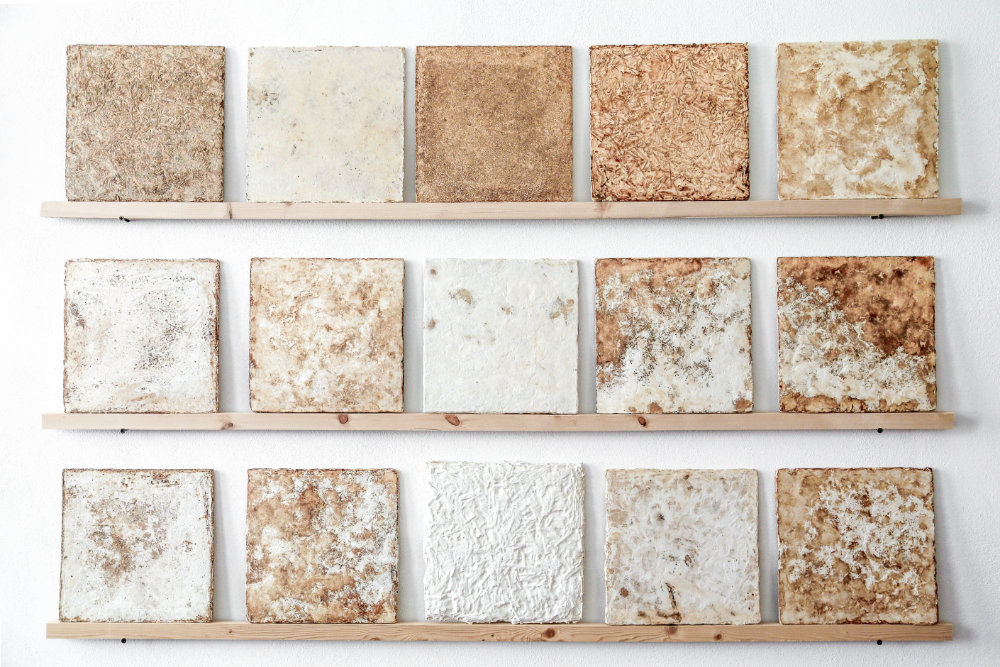
Ephea & Mogu – Mycelium-based Biofabricated Materials
Sustainable fashion
Providing sustainable and eco-friendly alternatives to traditional materials in fashion, automotive, architecture, and design industries.
Contact

SQIM Srl
Company Established Year
Who is this solution for
Info
Available

Project Status
Looking to expand internationally
Doing business in
Awards
Solar Impulse Efficient Solution Label
Awarded for sustainable mycelium-based interior material innovation.
Green Product Award (Germany)
Recognized for eco-friendly mycelium decorative panels and materials.
Elle Decor International Design Awards (Italy)
Honored for innovation in sustainable interior design materials.
Product description
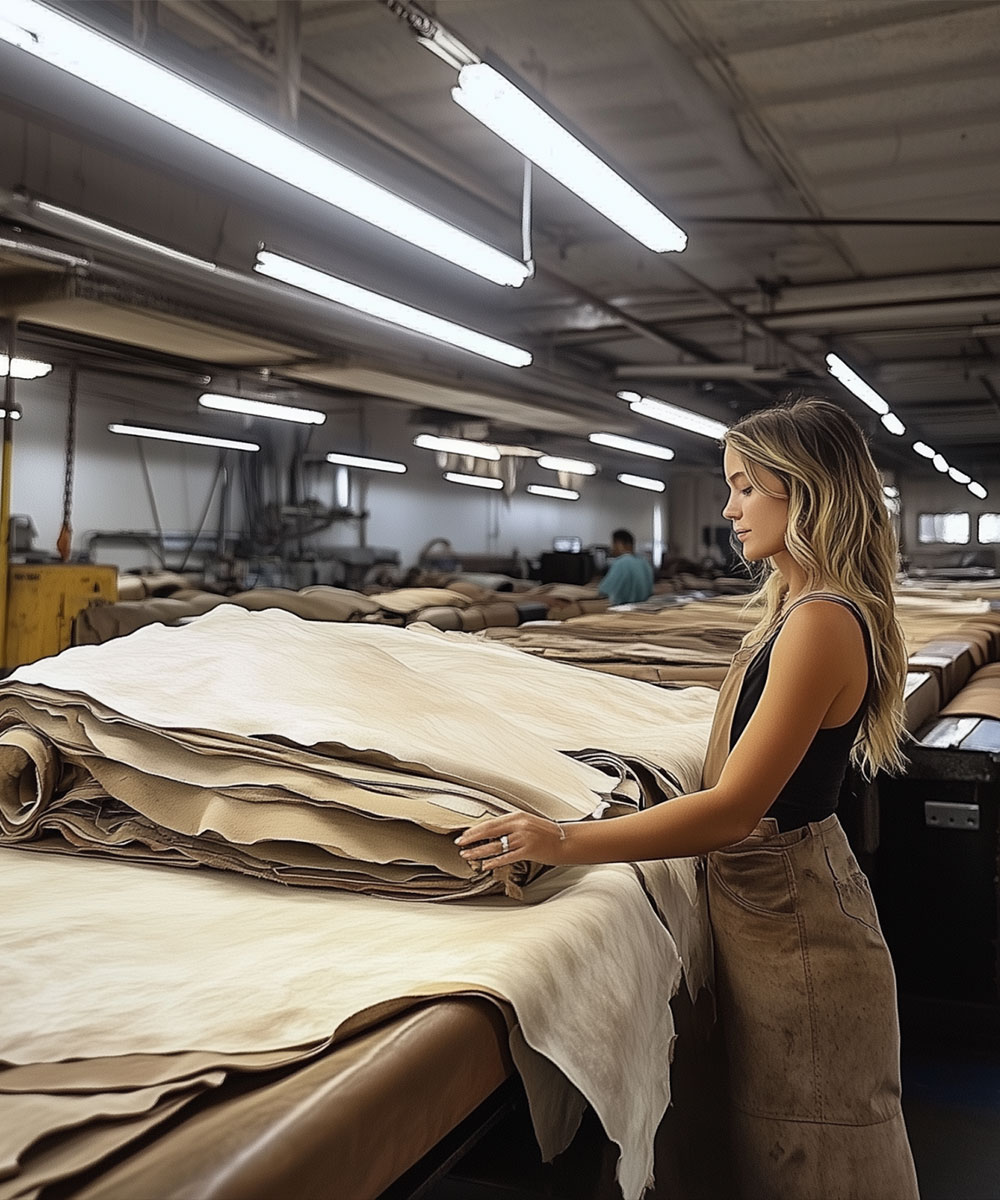
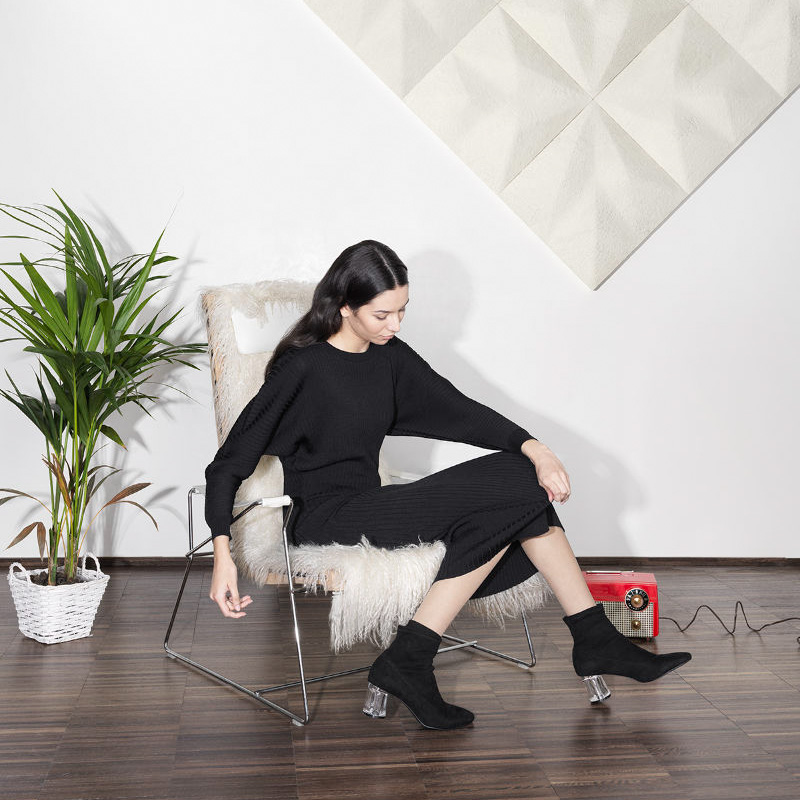
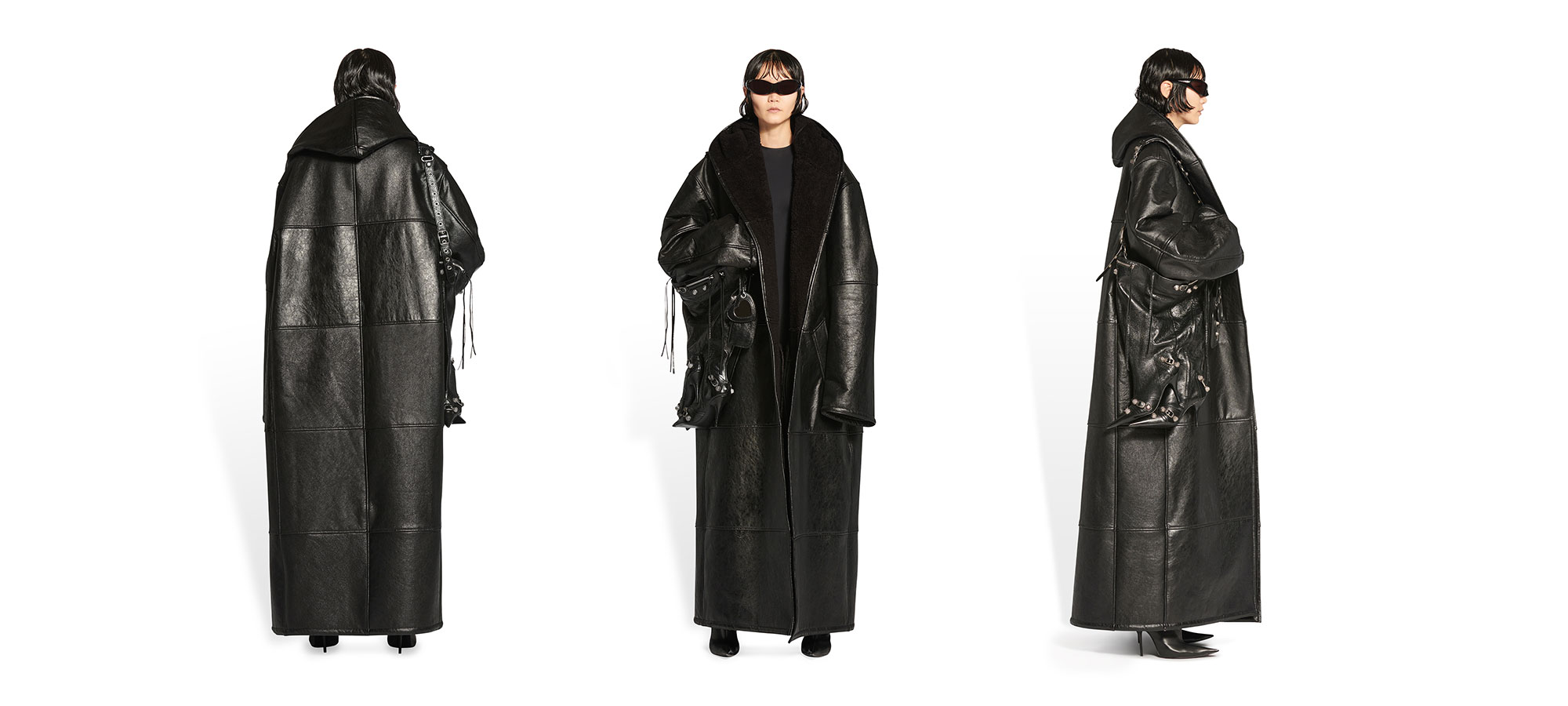
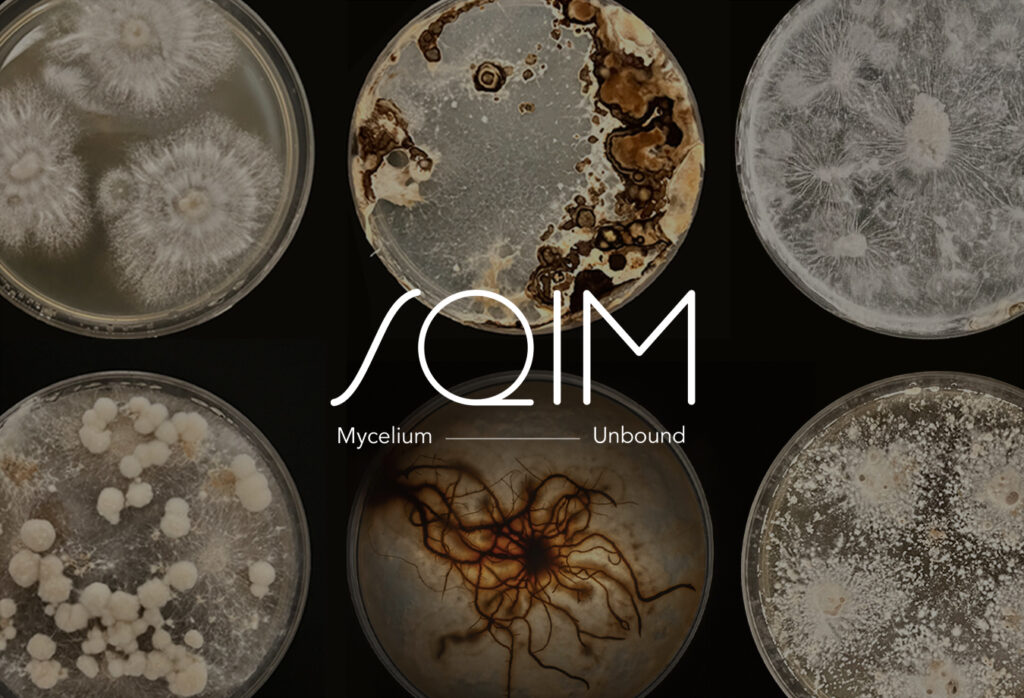
Ephea and Mogu are two innovative brands under SQIM that focus on mycelium-based biomaterials. Ephea specializes in premium-grade, animal-free leather alternatives for fashion and automotive interiors, while Mogu offers versatile panels and surfaces for architecture and design. Both product lines are created through a fermentation-driven process that upcycles organic waste, providing sustainable alternatives to traditional materials.
These biomaterials are biodegradable and compostable, reducing the environmental impact of production and consumption. By leveraging SQIM's biofabrication platform, Ephea and Mogu ensure uniformity, scalability, and environmental performance in their materials. This approach requires minimal energy and land use compared to traditional fabrication methods, making them a more sustainable choice for businesses looking to reduce their carbon footprint.
The recent Series A funding received by SQIM will enable Ephea and Mogu to expand their industrial production and market reach, offering brands the opportunity to incorporate circular, high-value materials that blend science, design, and sustainability.
Key characteristics and environmental benefits
- Premium-grade, animal-free leather alternatives for fashion and automotive interiors
- Versatile panels and surfaces for architecture and design
- Fermentation-driven process for creating biomaterials
- Upcycled organic waste used in material fabrication
- Biodegradable and compostable materials
- Minimal energy and land use compared to traditional fabrication methods
- Uniformity, scalability, and environmental performance
- Series A funding for industrial production and market deployment
- Circular economy approach to material production
- Bridge between science, design, and sustainability
About the Company
Notification!
Please log in or create a Bip account to like comments.
Login to BIP
Discussion & Comments
You can leave any questions you have here.You need to log in to write a comment. If you don’t have an account yet, you can create one in just a few seconds.
Ask about Ephea & Mogu – Mycelium-based Biofabricated Materials
Hi there! I’m here to help you quickly understand what this green solution is about — without needing to read the full page.
You can ask me things like:
- What problem does it solve?
- How does it help the environment?
- What makes it different?
Let’s explore together!
You can try asking:
Oops, it seems like you're not a member.
Sign up! It's free. You'll be able to read all the articles you like, download PDFs, and get in contact with the respective owners.
Have an account already? Sign in here