
Africa. A Continent of Homegrown Solutions for a Changing Planet

Africa is home to over 1.4 billion people, extraordinary biodiversity, and some of the world's most dynamic and fast-growing economies. It also faces profound environmental pressures — drought, flooding, food insecurity, rapid urbanisation, and energy poverty — often all at once.
And yet, it is precisely this pressure that has made Africa one of the most fertile grounds for sustainable innovation on the planet.
Africa is not waiting for solutions to arrive from elsewhere. Across the continent, communities, engineers, entrepreneurs and institutions are building homegrown answers to the world's most urgent environmental challenges — solutions designed for real conditions, real constraints, and real people. From off-grid solar and rainwater harvesting to regenerative agriculture and circular waste systems, Africa is proving that necessity drives some of the most powerful innovation on earth.
The goal of this page is to highlight where Africa is leading — so that companies, cities and innovators around the world can learn from what is already working here.
6 areas of excellence
1. Off-Grid & Decentralised Clean Energy
Africa holds some of the world's most irreplaceable ecosystems — and is finding new ways to protect them.
Africa is home to extraordinary natural wealth — tropical forests, savannahs, wetlands, coral reefs and river systems that support both biodiversity and the livelihoods of hundreds of millions of people. Under pressure from deforestation, land conversion and climate change, African communities, conservation organisations and governments are developing innovative, community-centred models for protecting and restoring these ecosystems while supporting human wellbeing.
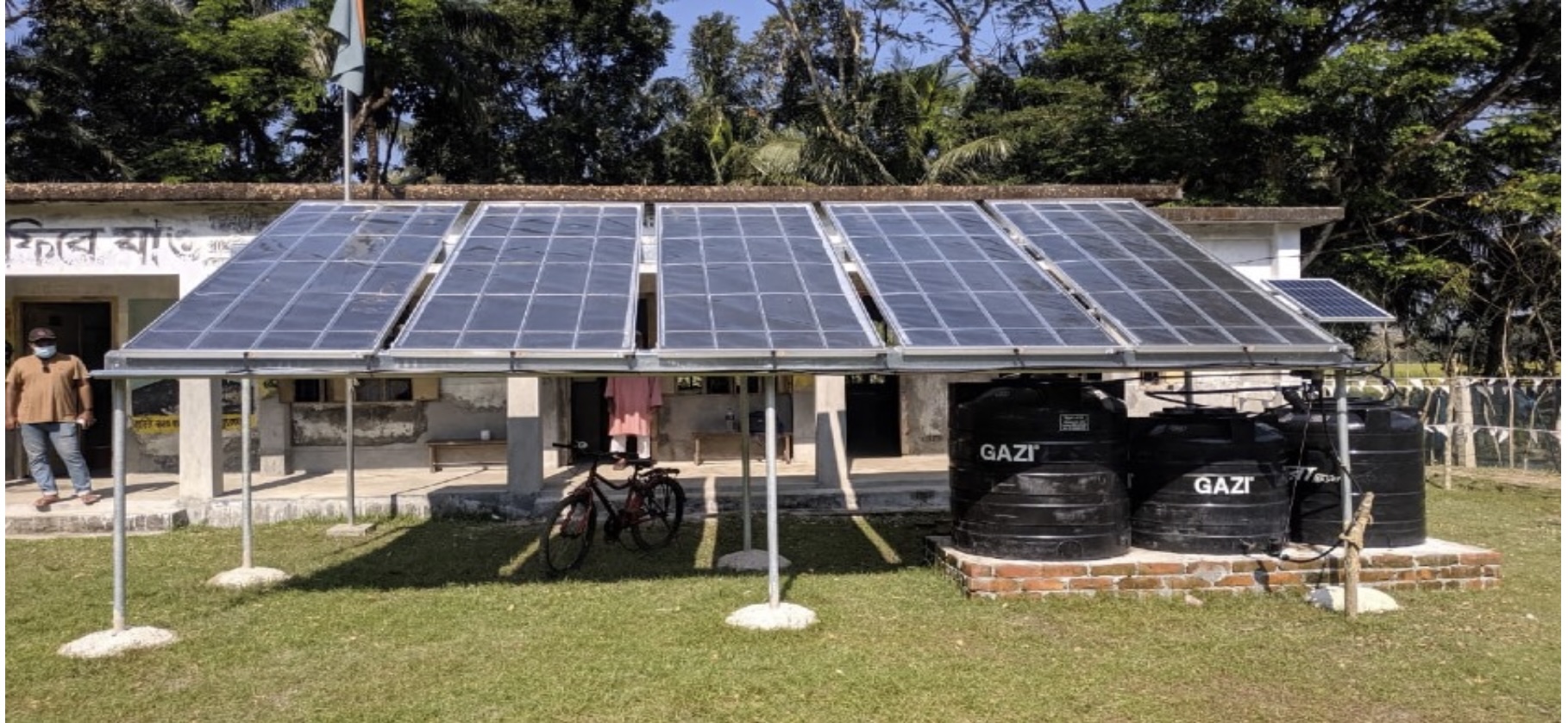
Solar home systems and pay-as-you-go models Innovative financing models have made solar energy accessible to low-income households across East and West Africa, bypassing the need for grid connection entirely.
Mini-grids powering communities and SMEs Community-scale solar mini-grids are providing reliable electricity to villages, health clinics, schools and small businesses — anchoring local economies and improving quality of life.
Clean cooking solutions Millions of households still rely on wood and charcoal for cooking, driving deforestation and health impacts. African innovators are scaling clean cookstoves and biogas systems that cut emissions, protect forests and reduce household costs.
2. Water Harvesting, Treatment & Resilience
Africa's relationship with water has driven some of the world's most practical and scalable water innovations.
From the Sahel to Southern Africa, water scarcity is not a future threat — it is a daily reality for hundreds of millions of people. This pressure has produced a rich ecosystem of water harvesting, treatment and management solutions designed to work with limited resources, in remote locations, and for communities that cannot wait for large infrastructure. Many of these solutions are low-cost, modular and rapidly deployable — making them highly relevant far beyond the continent.
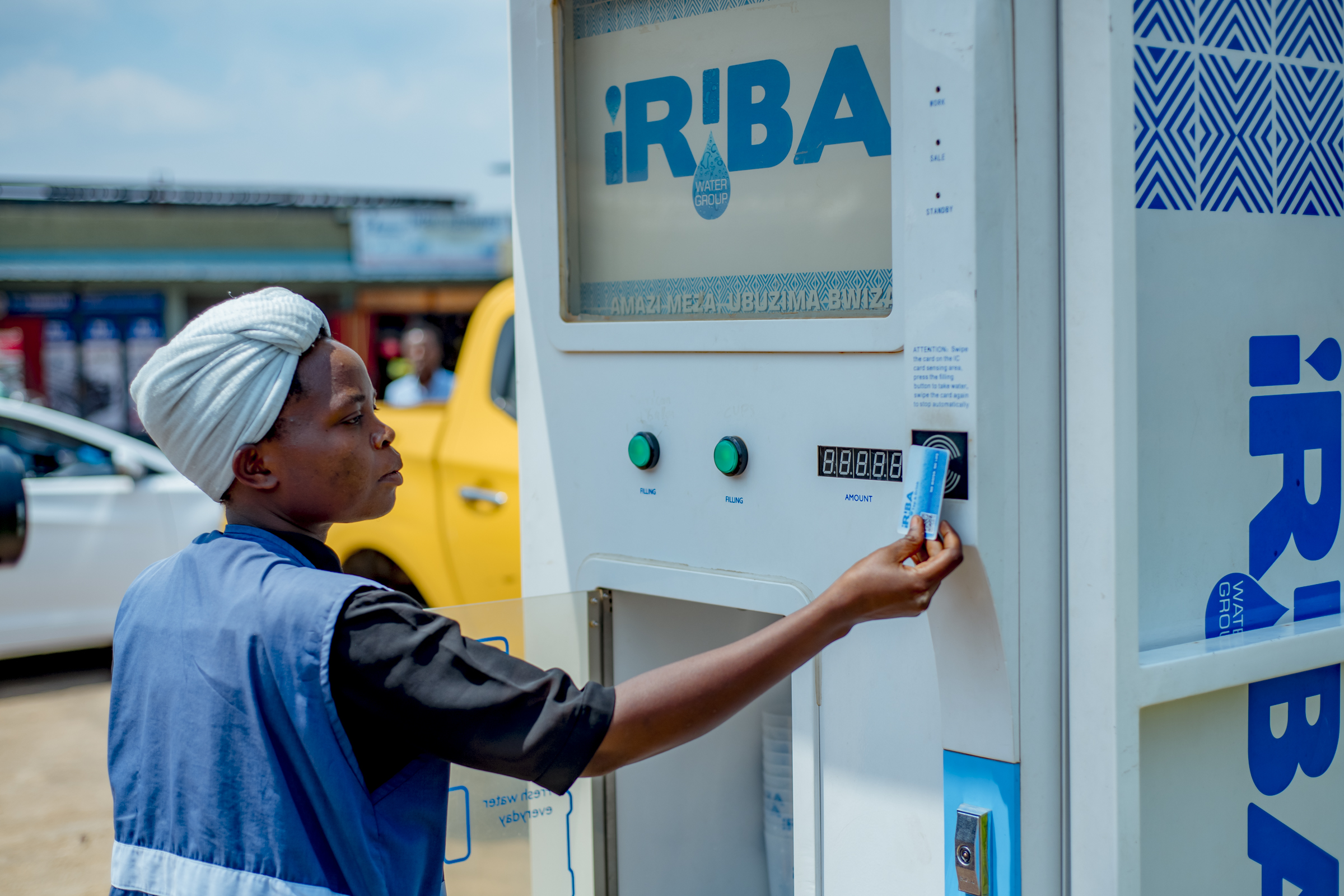
Rainwater harvesting at community and household scale Simple, effective systems for capturing and storing rainfall are providing water security for families, schools and smallholder farms across the continent.
Low-cost water purification technologies African innovators are developing affordable purification systems — from solar disinfection to biosand filters — that deliver clean drinking water without expensive infrastructure.
Flood management and early warning systems With extreme rainfall events increasing in frequency, African engineers and institutions are building early warning tools and flood-resilient infrastructure to protect communities.
Look for solutions here
3. Climate-Smart & Regenerative Agriculture
Feeding a growing continent under climate stress has turned Africa into a proving ground for resilient agriculture.
Africa is home to 60% of the world's uncultivated arable land and a farming population of hundreds of millions — most of them smallholders. Climate variability, soil degradation, and water stress have pushed farmers and innovators to develop climate-smart, regenerative and locally adapted agricultural solutions that work with nature rather than against it.
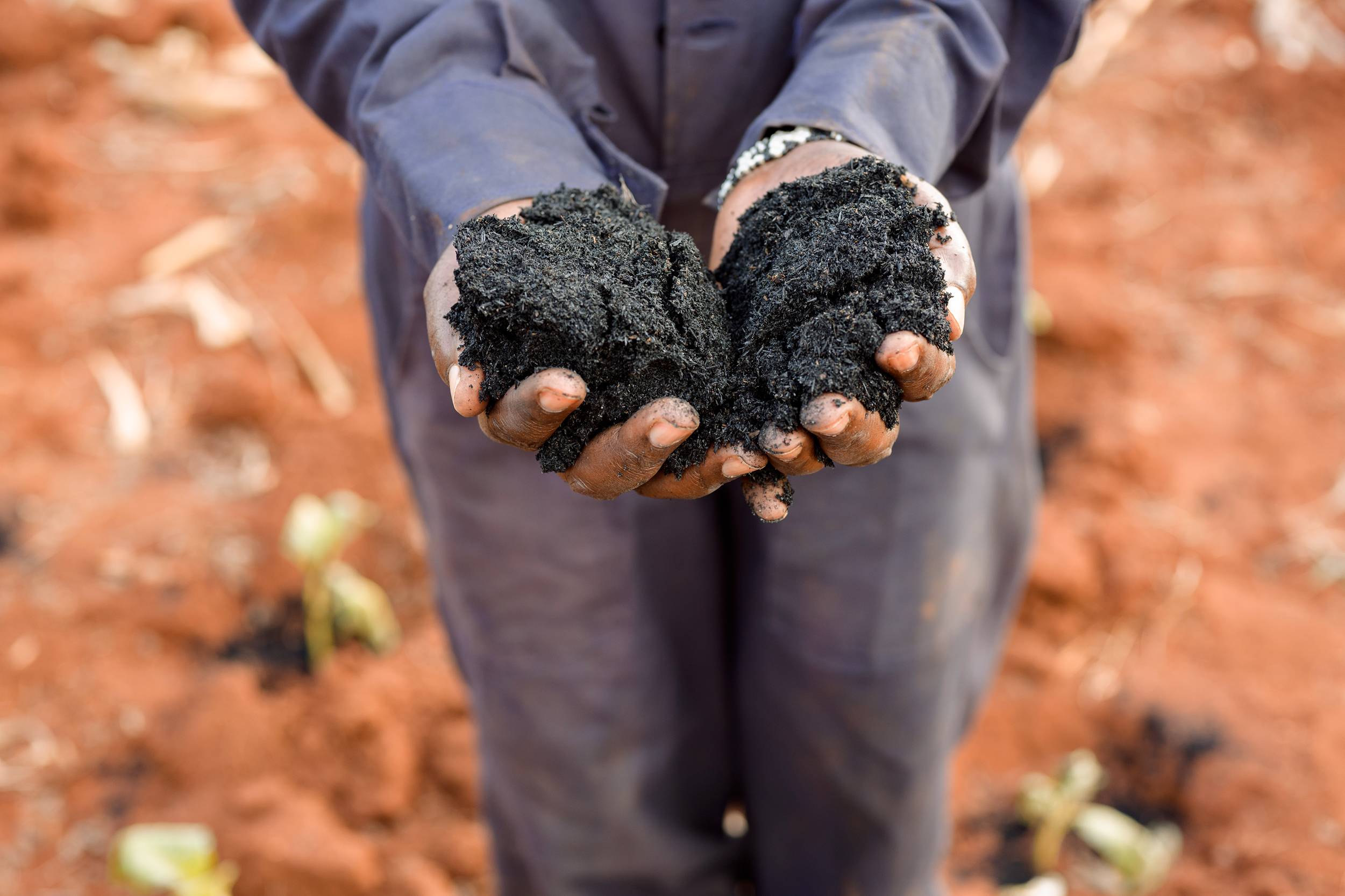
Agroforestry and soil restoration Techniques that integrate trees with crops are restoring degraded soils, improving water retention, and increasing farm resilience across the Sahel and East Africa.
Drought-resistant seed varieties and precision farming African researchers and agri-tech companies are developing seeds and digital tools tailored to local conditions, helping smallholders adapt to unpredictable rainfall and rising temperatures.
Farmer-led knowledge networks Community extension programmes and mobile platforms are connecting farmers with each other and with practical knowledge — scaling proven techniques across millions of smallholdings faster than traditional systems.
4. Circular Economy & Waste-to-Value
Africa's informal recycling sector is one of the most efficient circular systems in the world — and it is being transformed.
Across African cities, millions of informal workers collect, sort and recover materials that would otherwise end up in landfill or waterways. This grassroots circular economy — often invisible to policy makers — recovers enormous volumes of plastic, metal, paper and organic waste daily. Now, a growing ecosystem of formal enterprises and social innovators is building on this foundation to create scalable, dignified and high-impact waste-to-value systems.
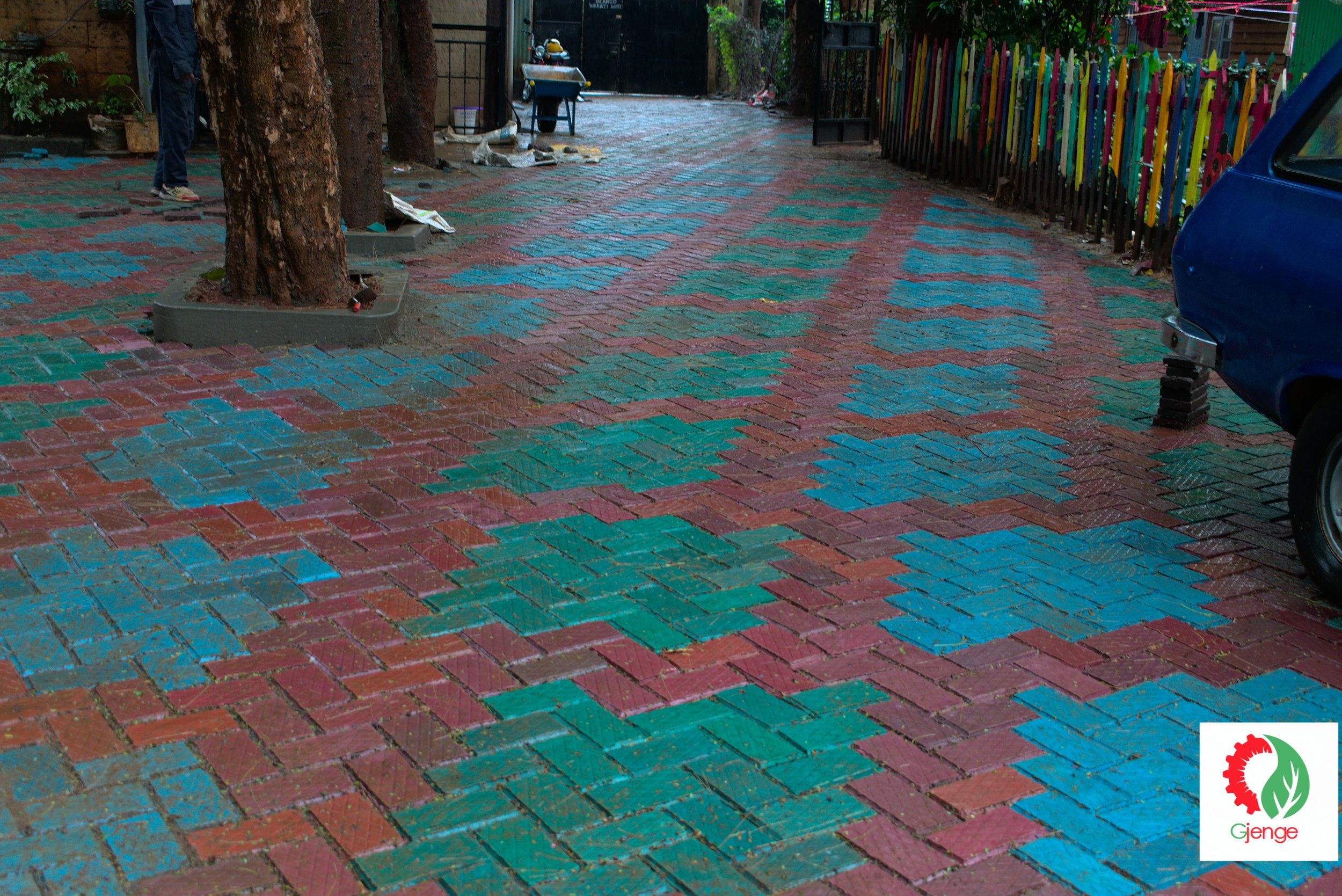
Plastic recovery and recycling Companies across Nigeria, Kenya, Ghana and South Africa are building professional plastic collection and recycling networks, often integrating informal collectors into formal supply chains.
Organic waste and composting With large volumes of agricultural and food waste, Africa has significant potential for composting and biogas — turning waste into soil fertility and clean energy simultaneously.
Upcycling and creative reuse African designers and entrepreneurs are turning waste materials — tyres, plastic bottles, textiles — into furniture, building materials and consumer products, creating livelihoods while reducing waste.
5. Biodiversity, Land & Forest Conservation
Africa holds some of the world's most irreplaceable ecosystems — and is finding new ways to protect them.
Africa is home to extraordinary natural wealth — tropical forests, savannahs, wetlands, coral reefs and river systems that support both biodiversity and the livelihoods of hundreds of millions of people. Under pressure from deforestation, land conversion and climate change, African communities, conservation organisations and governments are developing innovative, community-centred models for protecting and restoring these ecosystems while supporting human wellbeing.
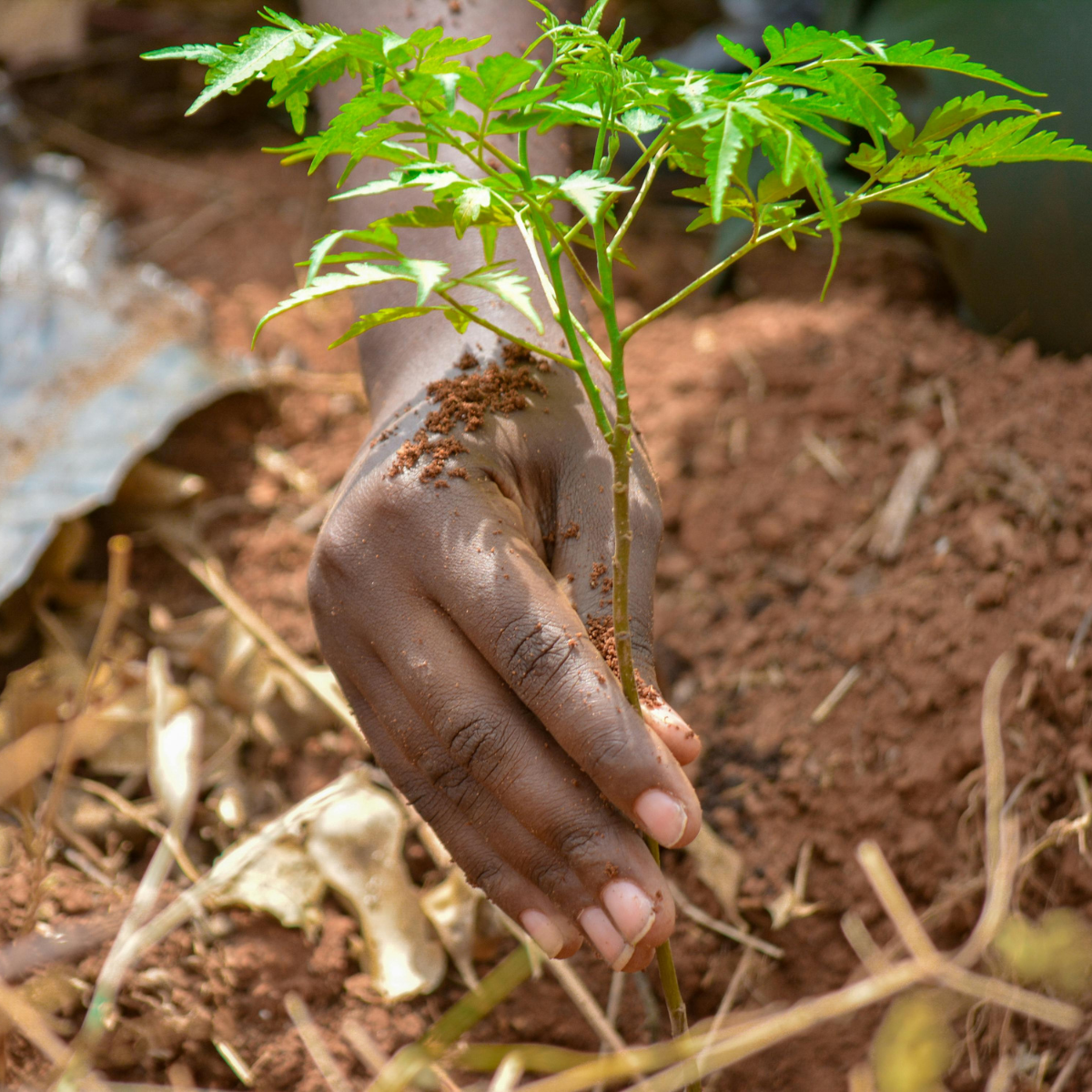
Community-based conservation Models that give local communities ownership and benefit from conservation — including wildlife corridors, community conservancies and forest stewardship — are proving more effective and durable than top-down approaches.
Forest restoration and reforestation at scale Programmes such as the Great Green Wall are pioneering large-scale land restoration across the Sahel, combining ecological recovery with livelihoods for millions of people.
Marine and coastal ecosystem protection East and West African coastal communities are developing models for protecting mangroves, coral reefs and fisheries that provide both carbon sequestration and food security.
6. Resilient & Affordable Housing
Rapid urbanisation is driving Africa to innovate in sustainable, affordable construction — at a speed and scale the world needs to watch.
Africa's urban population is expected to triple by 2050, making it the fastest-urbanising region on earth. This creates an urgent demand for housing that is affordable, climate-resilient and built from locally available, low-impact materials. African builders, architects and engineers are meeting this challenge with practical innovations that reduce costs, lower carbon footprints and work with local conditions — producing solutions increasingly relevant for emerging markets worldwide.
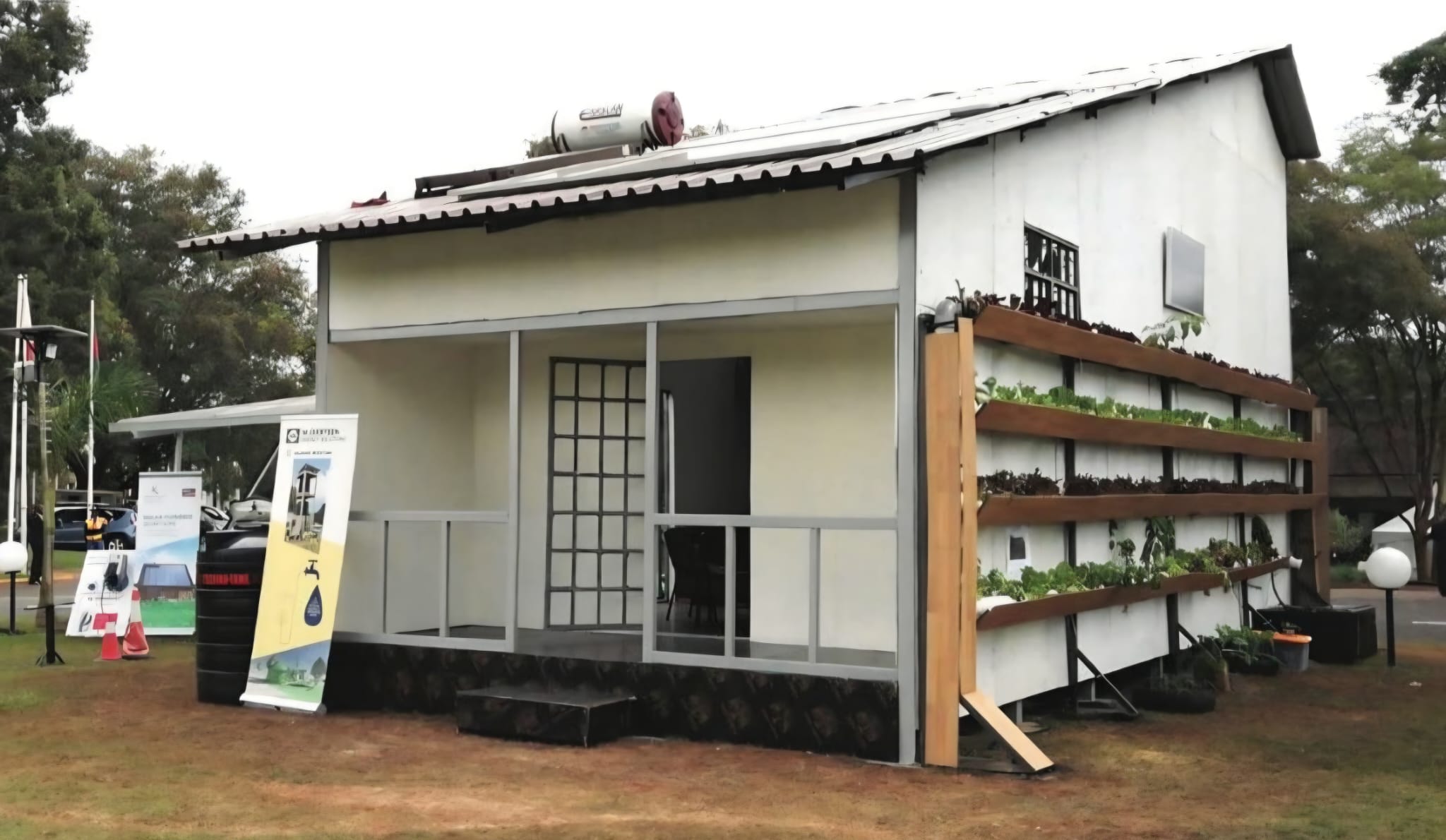
Compressed earth and natural building materials Using locally sourced soils, clay and natural fibres, African builders are constructing durable, thermally comfortable homes at a fraction of the cost of conventional construction.
Modular and rapidly deployable housing Systems designed for fast assembly with minimal waste are helping address urgent shelter needs in both urban expansion zones and post-disaster contexts.
Climate-adapted design for extreme heat and flooding Architects and engineers across the continent are developing building designs that stay cool without air conditioning and remain resilient in flood-prone areas — principles with global relevance.
Look for solutions here
Our Role
Brilliant Ideas Planet (BIP) is a neutral convening platform — connecting businesses, experts, investors and citizens with the leading ideas, tools, and partners for building a better future.
We do not promote a single model or impose a one-size-fits-all solution.
Instead, we showcase what’s working — globally — so every city, town, and region can adapt the best ideas to their own culture, climate, and circumstances.
Oops, it seems like you're not a member.
Sign up! It's free. You'll be able to read all the articles you like, download PDFs, and get in contact with the respective owners.
Have an account already? Sign in here