Waste is not waste
What we call waste is simply a resource in the wrong place. Every day, billions of tonnes of materials are buried or burned — not because they are useless, but because we have yet to build the systems that allow them to be reused at scale. Plastics are becoming infrastructure, metals are being recovered from electronics, organic matter is being transformed into energy and regenerative materials that restore soil, water and climate. This is more than recycling. It is a fundamental change in mindset — from disposal to regeneration.
At BIP, we act as a bridge between what is being discarded and what can be created from it. And we believe the supply chain of tomorrow starts with the waste streams of today.
***
Do you produce waste at scale? You may be sitting on someone else's raw material.
***
Manufacturers with production offcuts and rejected materials
Farms and food processors with organic residues, husks, stalks and pulp
Construction and demolition companies with concrete, timber, steel and rubble
Textile factories with fabric offcuts and dyeing residues
Electronics manufacturers and recyclers with end-of-life devices and components
Chemical and industrial plants with process by-products
Municipalities with sewage sludge, organic waste and collected plastics
Supermarkets and food distributors with unsold or expired food
Forestry operations with wood waste, straw and crop residues
Tyre and rubber manufacturers with production waste and end-of-life tyres
If you produce it consistently and at volume, someone somewhere needs it. Register your waste stream in the BIP feedstock database and lest get you connected with the companies around the world who are ready to turn what you discard into what they create.
5 areas of focus
Organic waste

Organic waste is everywhere — food scraps, agricultural residues, fallen leaves, wood offcuts, coconut husks, rice straw, sugarcane bagasse, animal manure, sewage sludge. Most of it is buried, burned or left to decompose, releasing methane and other greenhouse gases in the process. Yet every one of these materials carries energy, nutrients and potential. The companies in this section are transforming the full spectrum of organic waste — from kitchen bin to farm field to forest floor — into biogas, compost, building materials, bio-based additives for plastics and cement, and regenerative inputs that give back to the soil and the climate what industrial systems have taken away.
Plastic & packaging
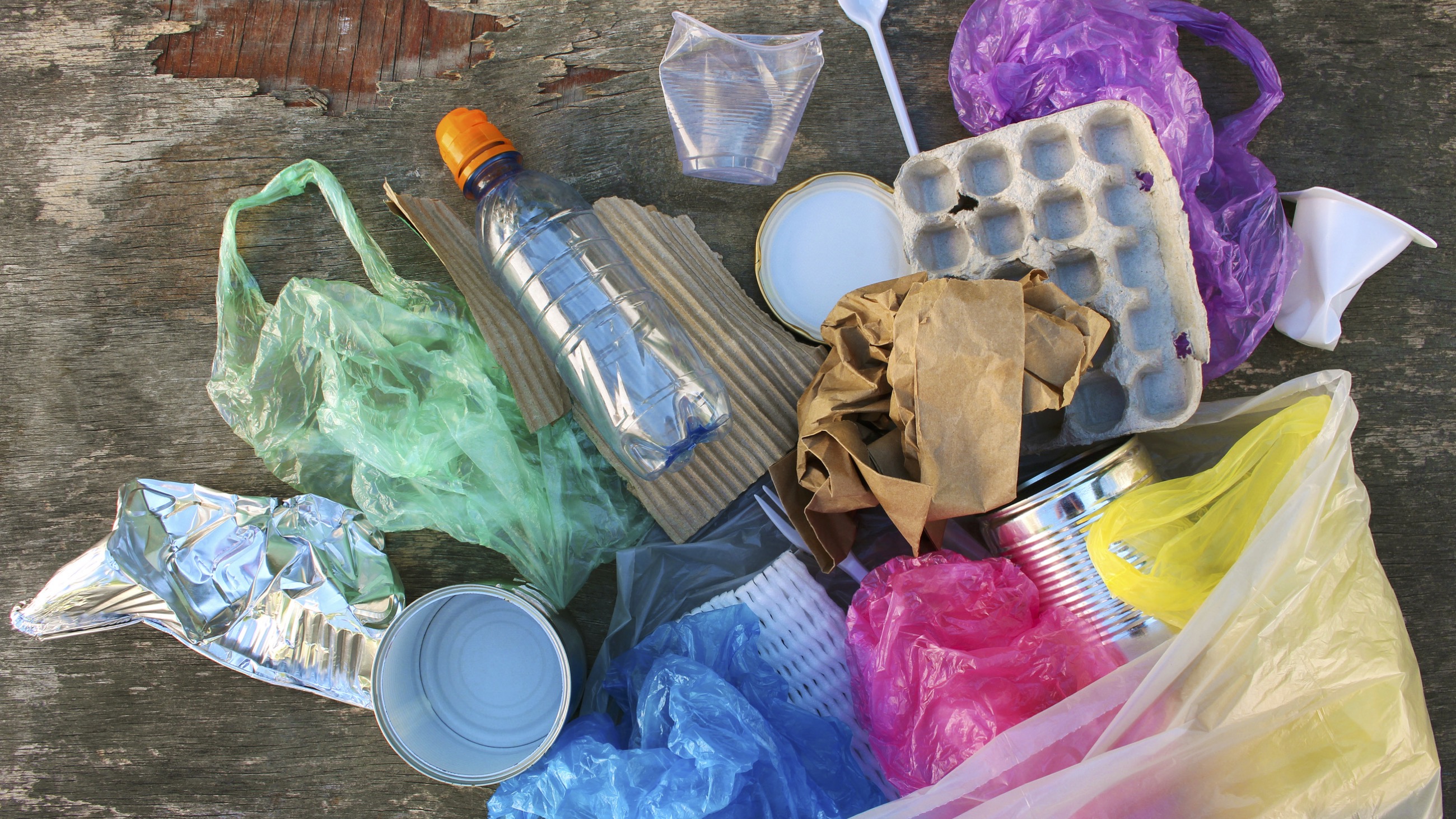
Plastic was designed to last forever. The problem is, we use most of it once. What began as a miracle material has become one of the planet's most persistent pollutants — in our oceans, our soil, our food chain, and our bodies. But plastic is also a resource, and the most innovative companies in the world are proving that it can be recovered, repurposed and redesigned out of the waste stream entirely.
Look for solutions here
Metals, E-Waste, Printers
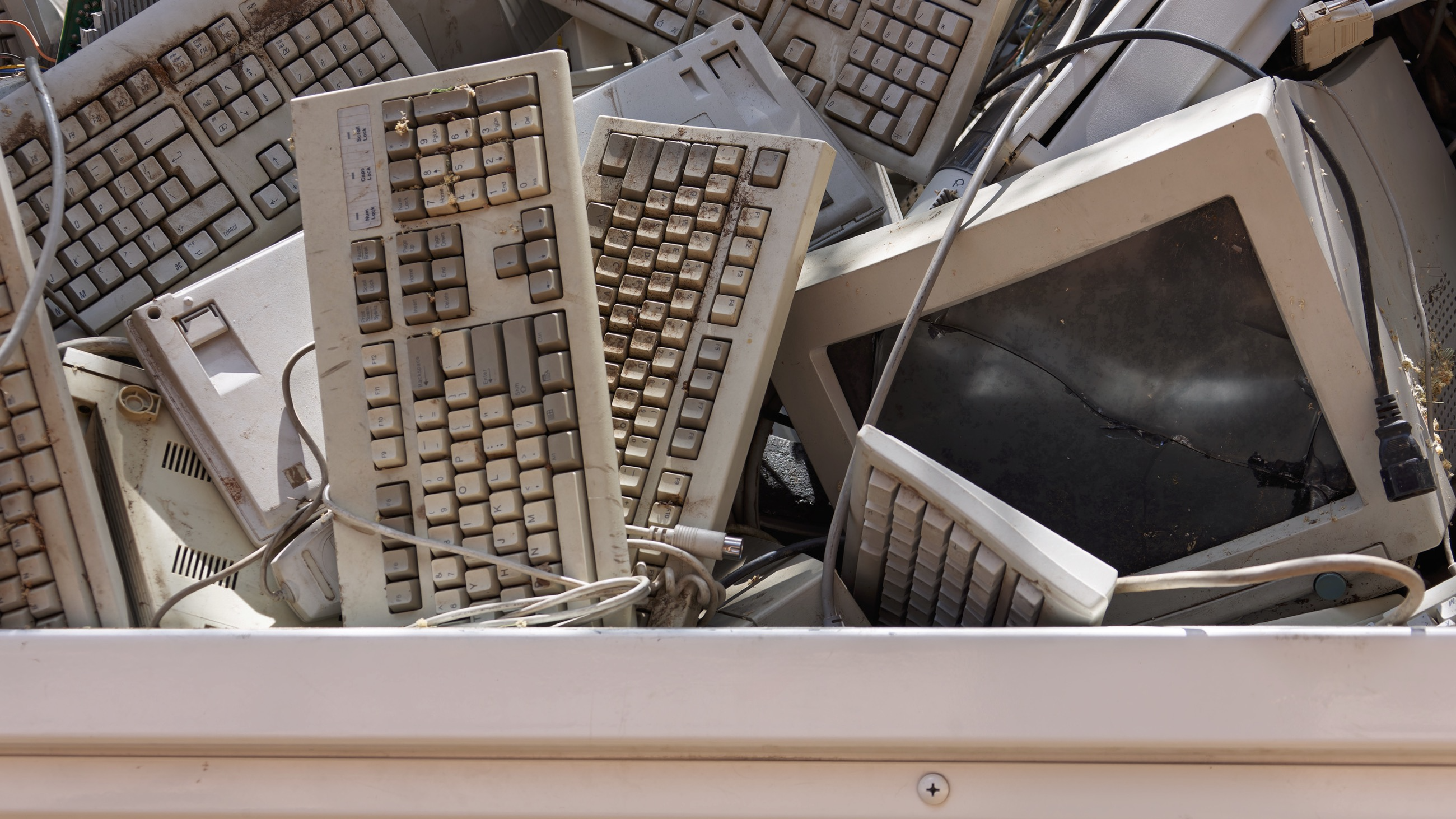
Our phones, laptops and household appliances contain gold, silver, copper, cobalt and rare earth elements — materials that took enormous energy and environmental cost to extract. When we throw them away, we throw all of that away too. E-waste is the fastest growing waste stream on earth, and it is also one of the richest. The solutions in this section are mining what we have already mined, and doing it cleanly.
Look for solutions here
Construction & Demolition
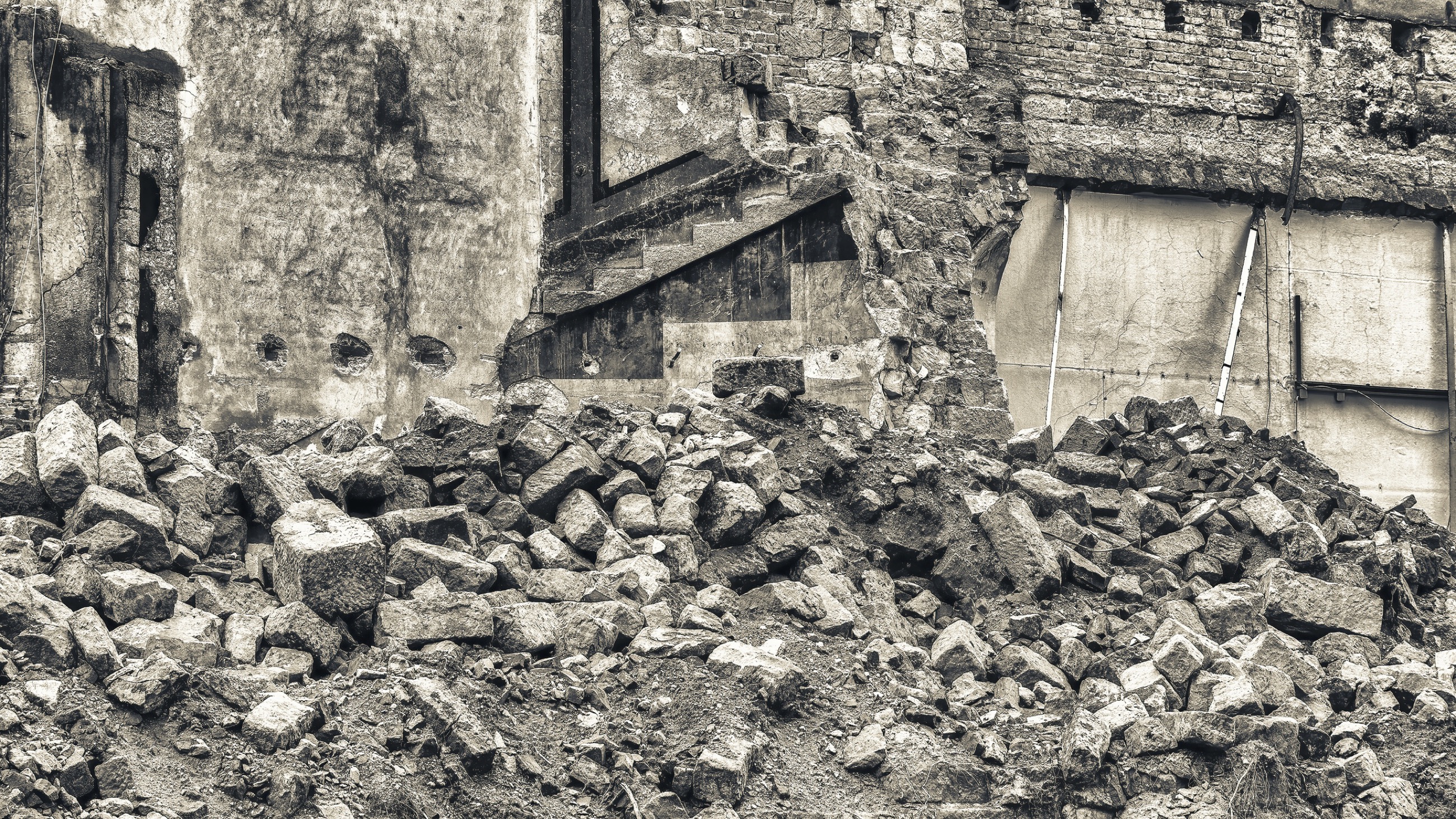
Buildings go up. Buildings come down. And when they do, the rubble, concrete, steel and timber that remains accounts for some of the largest waste volumes on the planet. Yet almost all of it has a second life — as aggregate, as reclaimed material, as the foundation of something new. The companies in this section are proving that what we demolish today can become what we build tomorrow.
Look for solutions here
Tyres & Rubber
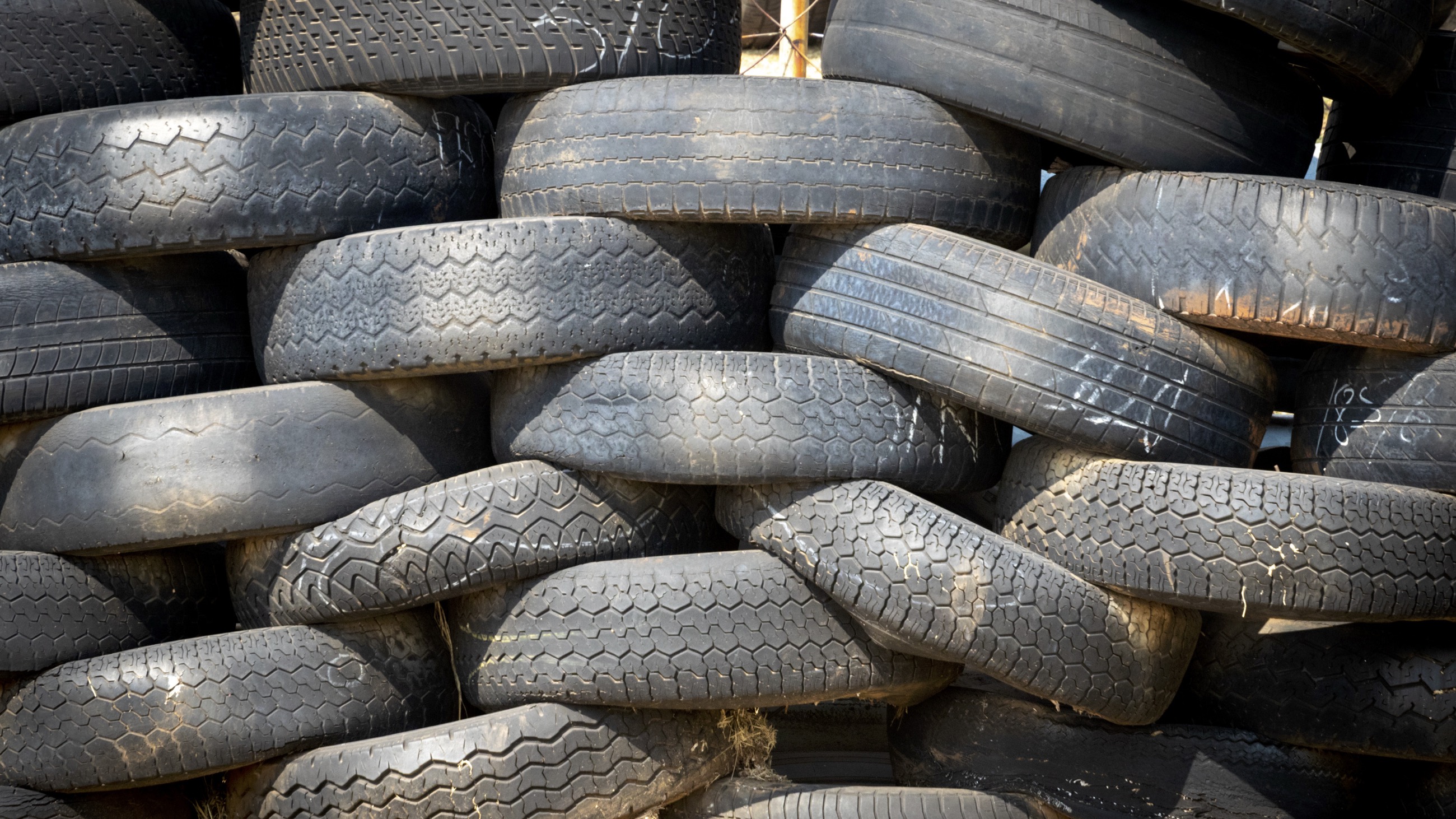
A billion tyres reach the end of their life every year. They cannot be landfilled easily, they burn toxic when incinerated, and they pile up in stockpiles that become environmental hazards. Yet rubber is a valuable material, and the most innovative companies in this space are finding ways to grind it, devulcanise it, pyrolyse it and return it to productive use — in roads, in sports surfaces, in new products entirely.
Look for solutions here
Our Role
Brilliant Ideas Planet (BIP) is a neutral convening platform — connecting businesses, experts, investors and citizens with the leading ideas, tools, and partners for building a better future.
We do not promote a single model or impose a one-size-fits-all solution.
Instead, we showcase what’s working — globally — so every city, town, and region can adapt the best ideas to their own culture, climate, and circumstances.
Oops, it seems like you're not a member.
Sign up! It's free. You'll be able to read all the articles you like, download PDFs, and get in contact with the respective owners.
Have an account already? Sign in here